Have you ever dreamt of trekking through misty forests, sleeping above the clouds, and waking up to jaw-dropping views of snow-capped Himalayan giants—without the crazy crowds of Everest or Annapurna Base Camp? Well, buckle up your hiking boots and tighten that backpack strap, because the Mardi Himal Trek is calling your name in 2025!
Seriously, if you’ve been craving an adventure that’s equal parts soul-soothing and thigh-burning (in the best way), the Mardi Himal trekking route is your next obsession. It’s short, it’s sweet, and it’s secretly one of Nepal’s best-kept trekking secrets—though not for long. So, before the world finds out, let’s take a deep breath of that crisp mountain air and explore this 10-day escape to alpine paradise.
Why Mardi Himal Trek is the Hidden Gem You Didn’t Know You Needed
Let’s be real—Nepal has no shortage of trekking routes. From the legendary Everest Base Camp to the culturally rich Langtang Valley, the list goes on. But what makes the Mardi Himal trek truly unique is its intimacy with nature. Unlike the busy trails of Annapurna Circuit, this path weaves through tranquil rhododendron forests, across ridge lines with insane panoramic views, and lands you so close to Mount Machhapuchhre (a.k.a. Fishtail) that you might feel like you could reach out and touch its icy summit.
What’s more, the Mardi Himal trekking route only opened to the public in 2012. That’s like… yesterday in Himalayan time. Translation? Fewer crowds, more connection with nature, and a real off-the-beaten-path vibe you’ll love.
Touching the Sky at Mardi Himal Base Camp – The Secret Star of the Annapurna Region
Let’s get one thing straight—Mardi Himal Base Camp might just be Nepal’s most underrated slice of heaven. While Everest gets the glory and Annapurna Base Camp hogs the crowds, Mardi Himal? It’s the shy but stunning sibling hiding just behind the curtain, quietly offering a front-row seat to some of the most jaw-dropping views in the Himalayas.
And the best part? You don’t need to be a superhero to get there.
Whether you’re an experienced trekker or a first-time adventurer lacing up your boots, Mardi Himal trekking is the kind of magical journey that leaves footprints not just on the trail, but on your soul. Dramatic landscapes, whispering forests, dancing prayer flags, and that heart-thumping moment when you finally reach the base camp—it’s all part of the adventure.
So, let’s walk you through what it’s really like to reach Mardi Himal Base Camp, the crown jewel of the Mardi Himal trek itinerary.
The Approach: From High Camp to Heaven
So, you’ve made it to High Camp—likely a little tired, a lot excited, and maybe even questioning your life choices at 3,590 meters. But hold on, because what’s about to happen next will make every aching muscle worth it.
The journey from High Camp to Mardi Himal Base Camp is a hike through the clouds. Quite literally. As the trail winds upward, it weaves across narrow ridges and snowy outcrops with nothing but sky, mountains, and the occasional yak to keep you company. The elevation? 4,200 meters. The air? Crisp and clean, with just enough oxygen to keep you moving and enough magic to keep you breathless.
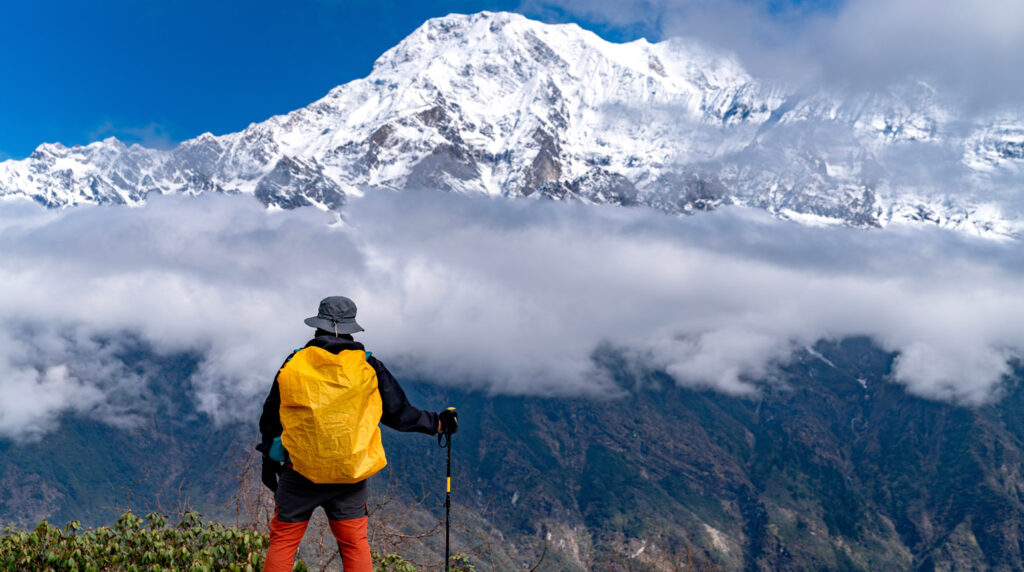
As you inch closer, the imposing silhouette of Machhapuchhre (a.k.a. Fishtail Mountain) rises like a watchful guardian. It’s so close, it feels like you could reach out and touch its icy flanks.
And then—boom. There it is. Mardi Himal Base Camp.
The Summit Moment: Standing Among Giants
Reaching Mardi Himal base camp is more than just the high point of your Mardi Himal trek itinerary—it’s the heart of it. Here, the landscape explodes into a 360-degree panorama of snow-draped peaks: Annapurna South, Hiunchuli, Gangapurna, and of course, the sacred and spectacular Machhapuchhre, shimmering in the morning light.
Let’s be real—no photo, no drone shot, no travel blog (not even this one!) can fully capture the feeling of standing up there. There’s something ancient in the air, something sacred. It’s just you, the mountains, and the echo of your heartbeat.
Most trekkers reach base camp in the early morning, which means you get to witness the Himalayas glowing gold under the rising sun. And if you’re lucky? You’ll even get the “cloud carpet” effect—where the lower valleys are covered in clouds and you’re standing above it all, like a mountaintop god.
Talk about peak experiences. Literally.
But Wait… is it Cold Up There?
Short answer? Yes. Long answer? A BIGGER yes.

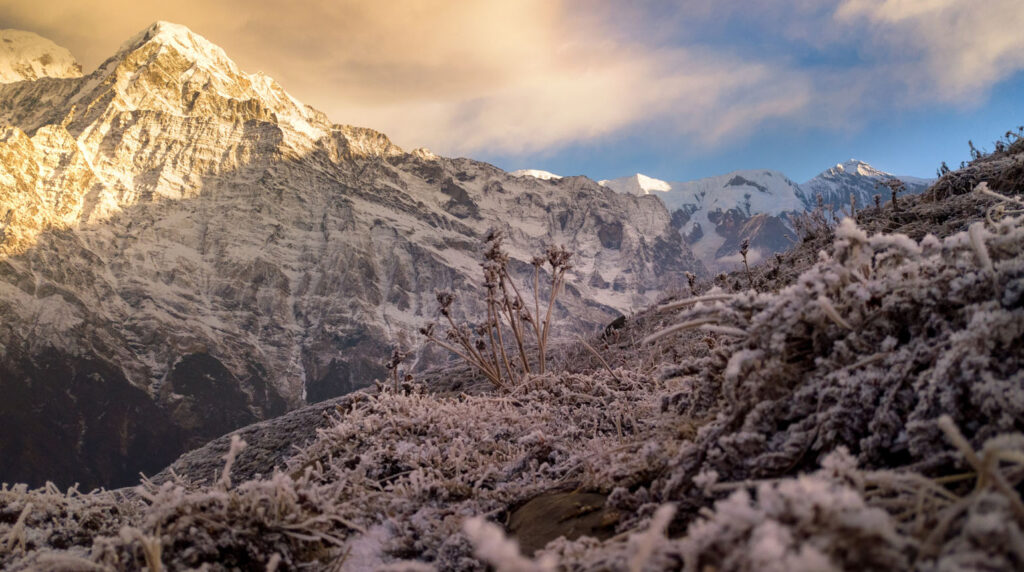
Even in the warmer trekking seasons—spring (March to May) and autumn (September to November)—Mardi Himal base camp can feel like stepping into a giant Himalayan freezer. Expect icy winds, frosted ridges, and snow-dusted trails. Layers are your best friends here, as are wool socks, a thermal flask of ginger tea, and a smile that says, “Yup, I’m totally freezing but loving every second.”
But honestly? That cold just makes it feel more real. More raw. Like you’ve earned the view with every frozen breath.
What to Do at Mardi Himal Base Camp (Besides Crying Happy Tears)
Now that you’ve arrived, here’s what you must do at Mardi Himal base camp—aside from standing in awe and taking roughly 500 photos:
- Photo ops with prayer flags fluttering in the wind. Trust us, this is your new phone wallpaper.
- Journal your thoughts. You’ll want to remember this feeling forever.
- Sip some tea. If you brought a thermos, now’s the time to whip it out like a mountain wizard.
- Breathe deeply. This air? It’s some of the cleanest on Earth.
- Soak in the silence. No cars, no horns, no phone notifications. Just wind and wonder.
The Descent: Coming Down with a Heart Full of Himalayas
After soaking in the views (and possibly crying tears of joy), you’ll start your descent back toward Low Camp, retracing your steps but somehow seeing everything with new eyes. That’s the funny thing about the Mardi Himal trek—every turn feels different on the way down. Like the mountain wants to show you more now that you’ve proved yourself.
And just like that, the hardest part of the Mardi Himal trekking route is behind you. But don’t worry—the magic sticks around.
Why Mardi Himal Base Camp is Worth Every Step
Let’s be honest: You didn’t choose the Mardi Himal trek itinerary for the fame or the crowds. You chose it for the raw beauty, the untouched trails, and the chance to connect—with nature, with others, and with yourself.
Unlike Everest or Annapurna base camps, Mardi Himal base camp is a sanctuary. It’s peaceful. It’s powerful. It doesn’t shout for attention—it whispers. And if you listen closely, it tells you a story you’ll carry for the rest of your life.
A Few Trekker Tips Before You Go
- Start early: You’ll want to reach base camp before clouds roll in—plus, sunrises up there? Chef’s kiss.
- Pack layers: You’ll go from sweaty uphill climbs to frosty gusts real fast.
- Go slow: Altitude is no joke. Rest often, hydrate like crazy, and snack smart.
- Bring a flag: Many trekkers leave a prayer flag or small memento at base camp. Make your mark.
- Be present: Seriously. Don’t rush it. Sit down. Look around. Feel everything.
Your 10-Day Mardi Himal Trek Itinerary – Step-by-Step
Here’s a day-by-day breakdown of what your Mardi Himal trek 2025 adventure could look like:
10 Days of Himalayan Bliss: Your Ultimate Mardi Himal Trek Itinerary for 2025
Imagine waking up above the clouds. Your breath catches—not from exhaustion, but from that first golden splash of sunrise hitting Annapurna South. Around you, rhododendron forests whisper with morning mist, and far ahead, the majestic Machhapuchhre (Fishtail Mountain) glimmers in the cold blue sky like a secret jewel.
Welcome to the Mardi Himal trek—Nepal’s best-kept secret and a trekking route that will straight-up steal your heart.
Sure, you’ve heard of Everest Base Camp and Annapurna Circuit. Maybe you’ve even scrolled past them a thousand times on Instagram. But if you’re craving something more intimate, more magical, and a little less crowded, the Mardi Himal trekking experience is the adventure you’ve been waiting for. And lucky for you, this Mardi Himal trek itinerary for 2025 is the perfect mix of off-grid beauty, cozy village life, and soul-awakening mountain moments.
So, lace up your boots. Here’s your complete 10-day journey—one step closer to the clouds.
Day 1: Hello Kathmandu – Tradition, Temples & Thamel Vibes
You’ve landed in Kathmandu—dusty, dizzy, and very much in the middle of everything. After your airport pickup and hotel check-in (go ahead, drop that bag), take some time to breathe in the vibrant chaos of the city.
Best Thing to Do: Wander the Thamel market at dusk. It’s a sensory explosion—colorful prayer flags, bustling cafes, mandala art, steaming momos, and maybe your first souvenir yak-wool scarf. Don’t be surprised if you end up bargaining for a singing bowl or two.
Pro tip: Don’t exhaust yourself on Day 1. Tomorrow, the real adventure begins.
Day 2: Scenic Roadtrip to Pokhara – Waterfalls, Valleys & Slow Travel Joy
After breakfast, hop aboard your comfy tourist bus bound for Pokhara. This isn’t just a transfer—it’s a 6–7 hour feast for the eyes. Think emerald valleys, terraced fields, misty waterfalls, and winding rivers that beg you to stare out the window all day.
Best Thing to Do: Sit on the right side of the bus for the best views. Grab some spicy peanuts at the roadside tea stops. And just let the rhythm of the road sink in.
Evening in Pokhara: Chill by Phewa Lake, or grab a lakeside dinner. The city’s relaxed vibe is the perfect prelude to your Mardi Himal trekking journey.
Day 3: Dhampus to Deurali via Australian Camp – Trek Begins!
The first real footsteps of your Mardi Himal trek itinerary begin today. First, a scenic drive to Dhampus, then lace up those boots and start trekking to Deurali via the iconic Australian Camp.
Best Thing to Do: At Australian Camp, take in your first proper Himalayan panorama—Machhapuchhre (Fishtail) and Annapurna South just casually flexing in the distance. Then continue through charming villages, chatting with locals and goats alike.
Trail Vibe: Moderate. Lush. A taste of what’s to come.
Day 4: Deurali to Forest Camp – Into the Woods We Go
Now it’s getting real. Today, you’ll trek through deep rhododendron forests, where moss carpets the ground, birds chirp like forest DJs, and sunbeams filter through like magic.
Best Thing to Do: Breathe. Like really breathe. The air smells like pine and peace. Pause often to listen—there’s a rhythm in these woods.
Stay: A cozy eco-lodge in Forest Camp (2,540m). With candlelight dinners and mountain stories around the fire, this place feels like a dream.
Day 5: Forest Camp to High Camp – Ridgelines & Mountain Romance
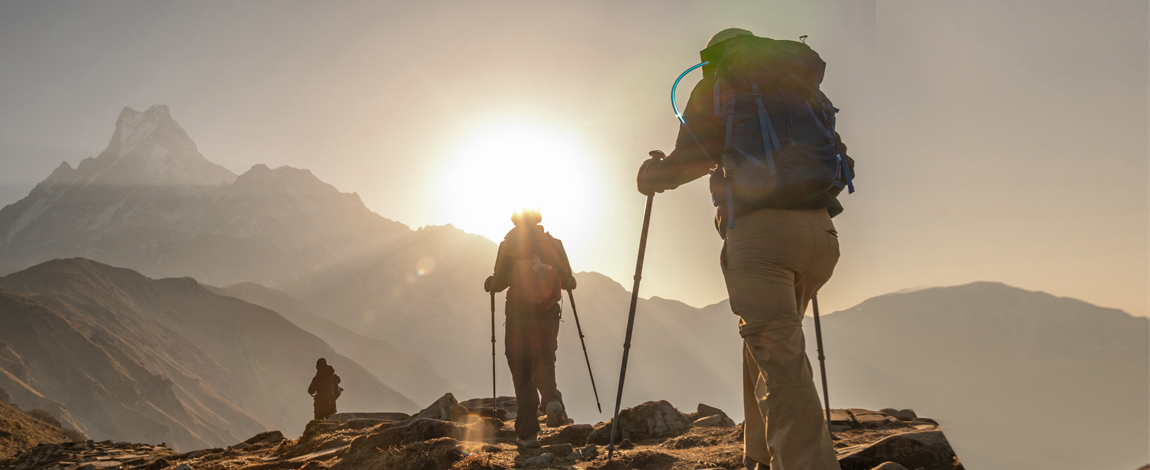
Get ready for one of the most scenic days of the Mardi Himal trek. You’ll hike along a ridge trail, slowly climbing toward High Camp (3,590m). With every turn, you get closer to the clouds—and the Himalayas just keep getting bigger.
Best Thing to Do: Take 10,000 photos. No shame. Annapurna South, Hiunchuli, and Machhapuchhre practically model for you here.
Evening Glow: Watch the sunset paint the mountains pink and gold. Stay warm, drink ginger tea, and swap stories with fellow trekkers in the lodge.
Day 6: High Camp to Mardi Himal Base Camp (4,200m) & Down to Low Camp
Today’s the Big One. Mardi Himal Base Camp awaits. Set your alarm early—really early. You’ll ascend in the morning chill, possibly through a trail dusted in snow.
Best Thing to Do: At the summit (4,200m), just stop. Let it sink in. You’ve made it. You’re standing before the mighty Annapurna range, eye-to-eye with peaks that touch the sky. The silence is deafening—in the best way.
Then: Descend to Low Camp for a much-deserved rest and hearty meal.
Trail Rating: Challenging. Cold. Glorious.
Day 7: Low Camp to Jhinu Danda – Waterfalls & Hot Springs Dreams
It’s time to descend, but the magic hasn’t left yet. You’ll pass through dense forests and charming Gurung and Tamang villages. Follow icy mountain streams down to the village of Jhinu Danda.
Best Thing to Do: Slip into the hot springs nearby! Soak those sore legs and let the warmth melt away the effort of the past days. It’s basically spa day, Himalayan edition.
Culture Bonus: Chat with locals about their way of life. You’ll leave with more than just memories—maybe a little wisdom, too.
Day 8: Trek to Ghandruk Phedi, Jeep to Nayapul, Drive to Pokhara
Your Mardi Himal trekking journey winds down as you head toward Ghandruk Phedi, a village rich with cultural heritage and mountain vibes. After a short hike, hop into a jeep to Nayapul, then a car back to Pokhara.
Best Thing to Do: In Pokhara, treat yourself. Eat the biggest meal on the menu, get a massage, or just sit by the lake and stare at the water. You earned every moment.
Day 9: Pokhara to Kathmandu – One Last Road Trip
Time to hit the road back to Kathmandu. This return trip is perfect for flipping through your photos, journaling your favorite moments, or just watching the Nepali countryside roll by one last time.
Best Thing to Do: In the evening, head to Garden of Dreams in Kathmandu for a peaceful farewell to your Himalayan adventure.
Day 10: Farewell, with Full Hearts
Your Mardi Himal trek itinerary ends, but the journey never really does, does it? After breakfast, check out and take your airport transfer. As the plane lifts off, sneak a last glance at the mountains through the window and whisper a quiet promise:
“I’ll be back.”
Bonus: Mardi Himal Trekking Map Overview
Here’s the flow, just so you can visualize your journey:
Kathmandu → Pokhara → Dhampus → Australian Camp → Deurali → Forest Camp → High Camp → Mardi Himal Base Camp → Low Camp → Jhinu Danda → Ghandruk Phedi → Nayapul → Pokhara → Kathmandu
Total Distance: ~50–65 km
Altitude Range: 1,000m – 4,200m
Difficulty: Moderate to Challenging
Best Time: March–May or September–November
Why This Mardi Himal Trek Itinerary Is a Must in 2025
Listen—trekking the Himalayas isn’t just about mountains. It’s about you—finding peace in silence, joy in the challenge, and awe in every sunrise. The Mardi Himal trek itinerary gives you all that and more: close-up views of epic peaks, friendly tea houses, warm conversations, and quiet moments where the world stands still.
Is the Mardi Himal Trek Worth It in 2025?
Without a doubt, YES. Whether you’re a first-time trekker or a seasoned mountain chaser, the Mardi Himal trek itinerary offers a rich, immersive Himalayan experience without the overwhelm. It’s peaceful, wild, accessible, and oh-so-underrated.
So pack your curiosity, your courage, and a good pair of socks. The Mardi Himal trekking trail is waiting.
How Much Does the Mardi Himal Trek Cost in 2025?
Ah yes, the golden question. Our tours are thoughtfully scheduled and offer specific departure dates, providing a fantastic opportunity for both solo traveler and groups to come together. If you are two or more, private trip is available any date. Read more about fixed departure.
Why Mardi Himal Trek 2025 Should Be Your Next Big Adventure
You don’t need to be a pro mountaineer to do the Mardi Himal trek. All you need is a sense of adventure, decent fitness, and a love for nature that’s bigger than your fear of steep uphill paths.
Whether you’re a solo traveler searching for solitude, a couple looking for shared thrills, or a group of friends making bucket list memories—Mardi Himal trekking in 2025 offers something magical. You’ll walk above clouds, sip tea with locals, feel dwarfed by glaciers, and return home with stories that make your soul smile.
So, what are you waiting for? Your boots are made for trekking—and Mardi Himal is calling.
PS: Don’t forget to tag your photos with #MardiHimalMagic when you go. We’ll be cheering you on from afar.
What to Pack for Mardi Himal Trek: The Ultimate Backpacking Checklist You’ll Thank Us For
So, you’ve decided to conquer the Mardi Himal trek—a journey through mystical forests, up lonely ridges, and toward snow-kissed Himalayan peaks. Bravo, adventurer! Now comes the next big question:
What to Pack for Mardi Himal Trek?
And more importantly—what should you leave behind so your backpack doesn’t turn into your worst enemy halfway up High Camp?
Don’t worry, we’ve got you. Whether you’re a trekking rookie or a seasoned trail-blazer, this is your ultimate, fun-filled, no-regrets guide to what to pack for Mardi Himal trek in 2025.
Let’s break it down—item by item, step by step—so you can pack light but smart, stay cozy, and fully immerse yourself in the magic that is Mardi Himal trekking.
1. Clothes That Keep You Dry, Warm & Not Too Sweaty
Weather on the Mardi Himal trek changes faster than you can say “Machhapuchhre.” One minute it’s sunny and you’re sweating through your base layer; the next, you’re hiking into clouds, shivering, and reaching for your down jacket.

Here’s your layering game plan:
Base Layers (2–3 sets)
- Moisture-wicking thermal tops & bottoms (no cotton, unless you like staying wet forever)
- Good for sleeping too!
Mid Layers
- Fleece jacket or pullover
- Lightweight hoodie or wool sweater
Outer Layers
- Insulated down jacket (your best friend at High Camp)
- Waterproof shell jacket (for those sudden hailstorms or mountain drizzle)
Bottoms
- 1 pair trekking pants
- 1 pair warm leggings or thermals
- 1 pair lightweight, waterproof trousers (if the weather turns nasty)
- Wool or synthetic hiking socks (3–4 pairs)
Pro tip: You don’t need a new outfit every day. The mountains don’t care what you look like—they only care if you’re warm, dry, and not a walking popsicle.
2. Footwear That Won’t Betray You
Your feet are your greatest asset on the Mardi Himal trekking route, so treat them like royalty.

Essentials:
- Broken-in trekking boots (ankle support is non-negotiable)
- Camp shoes or sandals (give your feet a break in the evenings)
- Flip-flops (optional, for showers or hot springs in Jhinu Danda)
Warning: Do not bring brand-new boots. This is not the time to get adventurous with your blisters.
3. Accessories You’ll Forget But Desperately Miss

These are the unsung heroes of the Mardi Himal trek itinerary—small but powerful.
- Warm hat / beanie (wind + altitude = cold ears)
- Sun hat / cap (Nepal sun is sneaky)
- Buff or neck gaiter (dust, cold wind, sun—you name it)
- Gloves (thermal + waterproof outer gloves if you’re going in cold season)
- Sunglasses (polarized = best for snow glare)
- Trekking poles (save those knees on descents)
4. The Ultimate Backpack Breakdown
You’ll need two bags:
Trekking Backpack (45–65L)
- This will carry the bulk of your stuff if you’re not hiring a porter. Choose something with a good back system, rain cover, and side pockets for your snacks and water bottles.
Daypack (20–30L)
- Essential if you have a porter. Use it to carry daily must-haves like water, snacks, camera, and extra layers.
5. Toiletries That Make You Feel Human Again
Sure, it’s the mountains—but nobody wants to feel like a crusty potato after day three.
Essentials:
- Biodegradable soap/shampoo
- Toothbrush + toothpaste
- Quick-dry towel
- Deodorant (please)
- Sunscreen (SPF 50+)
- Lip balm (with SPF)
- Wet wipes (your “shower” on cold days)
- Hand sanitizer
- Toilet paper (never assume it’ll be provided)
- Nail clippers (trust us)
6. Your Personal Mountain Medicine Cabinet
Altitude, cold, strange food—your body’s going through a lot. Come prepared.
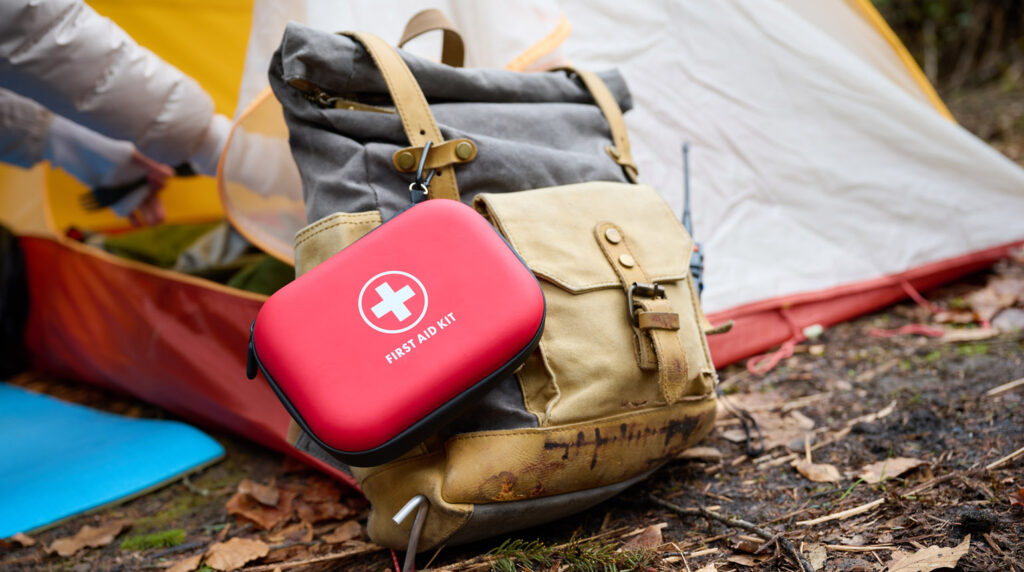
Health Essentials:
- Diamox (consult a doctor beforehand for altitude sickness)
- Paracetamol / Ibuprofen
- Antidiarrheals (you don’t want surprises)
- Rehydration salts
- Band-aids & blister plasters
- Muscle rub
- Throat lozenges (cold air = dry throat)
- Any personal medications
7. Gadgets & Gizmos That Are Surprisingly Useful
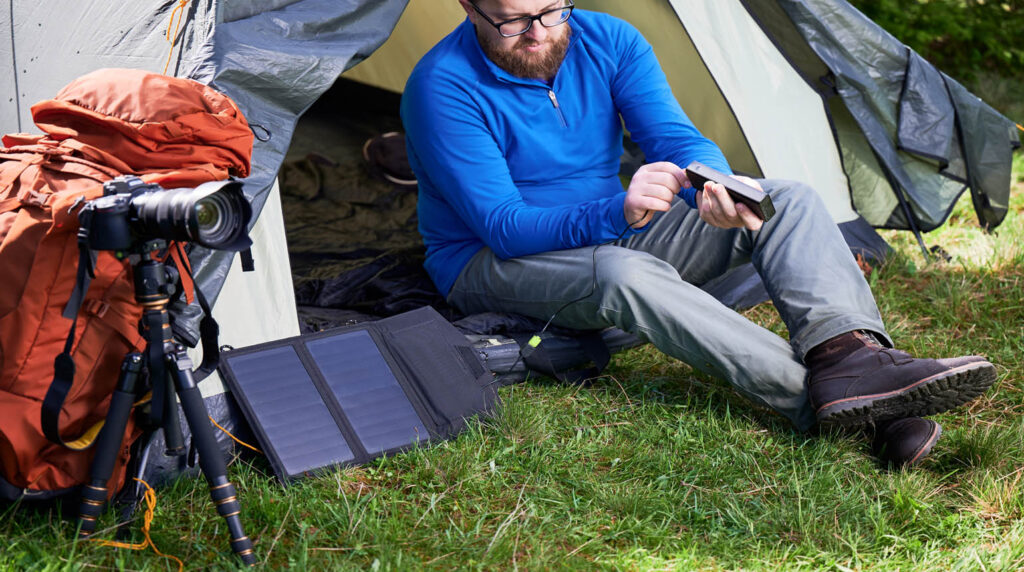
Technology is optional on the Mardi Himal trek, but these gadgets sure make life easier.
- Headlamp (with extra batteries)
- Power bank (solar if you’re fancy)
- Camera / GoPro
- Charging cables
- Universal adapter
- Offline trekking map app (like Maps.me or Gaia)
- Local SIM card with data (for those dramatic “I made it!” selfies)
8. Snack Stash: For Energy and Emergency Joy
While lodges provide meals, your stomach might want more during long hiking days.
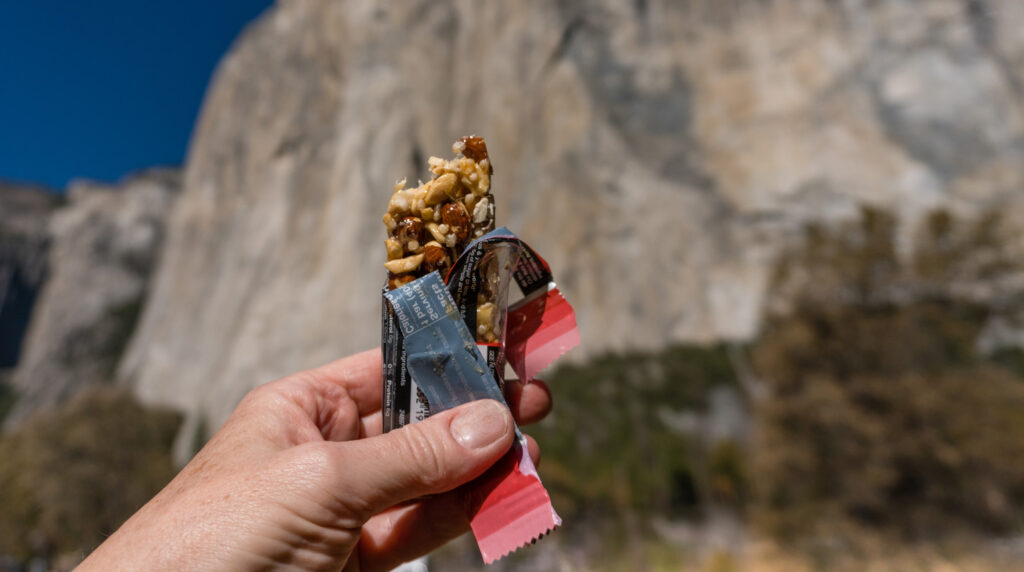
Pack:
- Energy bars
- Chocolate
- Trail mix or nuts
- Instant coffee or tea sachets (for your soul)
- Electrolyte drink powder
Pro tip: Sharing snacks makes you instant friends on the trail. Be the snack hero.
9. Miscellaneous Magic You Didn’t Know You Needed
- Sleeping bag (if you prefer your own—most teahouses have blankets)
- Water bottles (reusable, 2L capacity total)
- Water purification tablets or filter
- Ziplock bags (for keeping things dry and organized)
- Travel journal (to scribble feelings as you stare at the stars)
- Playing cards or a good book (for lodge downtime)
10. A Heart Full of Curiosity (And a Spirit Ready to Soar)
Look, no matter what’s in your backpack, what really matters is what you bring inside. The Mardi Himal trek isn’t just a walk in the park—it’s a full-blown experience. A blend of solitude, breathtaking scenery, unexpected conversations, and the kind of silence that heals.
So, while you’re figuring out what to pack for Mardi Himal trek, don’t forget to carry:
- Openness to meet new people
- Patience when the trail gets tough
- Gratitude for every sunrise you see from the ridges
- And a sense of humor (because sometimes your socks will freeze, and all you can do is laugh)
Final Thoughts on What to Pack for Mardi Himal Trek
Packing for the Mardi Himal trek itinerary doesn’t need to be stressful—it’s all about thinking ahead, choosing quality over quantity, and preparing for the unexpected.
By following this packing list, you’ll be geared up for one of the most scenic, rewarding, and magical experiences Nepal has to offer. From the mossy trails of Forest Camp to the snowy steps of Mardi Himal Base Camp, every day on this trek is a memory in the making.
Let the Mardi Himal trekking adventure begin!
Frequently Asked Questions About the Mardi Himal Trek
Let’s face it—no matter how many packing lists you scan or YouTube vlogs you binge, there are always those burning little questions that pop up right before you hit “book now.” Fear not, fellow adventurer! We’ve gathered the most frequently asked (and secretly Googled) questions about the Mardi Himal trek, and answered them in a way your future trail-self will totally appreciate.
1. What exactly is the Mardi Himal trek, and why should I care?
Oh, just a life-changing, thigh-burning, soul-refreshing walk through the freaking Himalayas, that’s all. The Mardi Himal trek is one of Nepal’s hidden gems—shorter, quieter, and far less crowded than the better-known Annapurna Circuit or Everest Base Camp. But guess what? The mountain views? Still absolutely mind-blowing.
It’s a 5–10 day adventure (depending on your pace and route) through rhododendron forests, cloud-kissed ridges, and finally up to Mardi Himal Base Camp, which sits at 4,200 meters and delivers front-row views of Machhapuchhre (Fishtail) and Annapurna South like a VIP skybox.
So, yeah—you should care.
2. What’s the ideal Mardi Himal trek itinerary like?
The most popular Mardi Himal trek itinerary runs for 10 days, starting from Kathmandu and looping through Pokhara, Dhampus, Australian Camp, Deurali, Forest Camp, High Camp, Mardi Himal Base Camp, and finally back down through Jhinu Danda and Nayapul.
But you can totally tweak it! Want a slower pace with extra tea breaks? Add a day or two. Crunched on time? There’s a 5–7 day version too.
Either way, your Mardi Himal trekking experience will include misty forests, ridge trails, cozy tea houses, and enough “WHOA” moments to make your photo album explode.
3. What should I pack for Mardi Himal trek? What if I forget something?
Ah yes, the classic pre-trek panic: “Do I really need thermal underwear?” (Yes. Yes, you do.)
Here’s a quick list of what to pack for Mardi Himal trek:
- Good hiking boots (broken in—seriously, don’t test new ones here)
- Layered clothing (base, fleece, down, waterproof)
- Thermal underwear and socks (they’ll save your chilly soul)
- Hat, gloves, sunglasses, and a buff/scarf
- Water bottle (bonus points for one with a filter)
- Snacks (Snickers bars = happiness on a ridge)
- Sunscreen + lip balm (the UV is no joke up high)
- Headlamp (for early morning treks to Mardi Himal Base Camp)
- Personal meds + small first aid kit
- Lightweight towel and toiletries
Forgot something? Don’t worry! You can find almost everything in Kathmandu or Pokhara before the trek—just remember that quality varies, so bring what you can from home.
4. How much does the Mardi Himal trek cost? Will I have to sell a kidney?
Good news: you get to keep all your organs.
The Mardi Himal trek cost is one of the reasons it’s such a sweet deal. Here’s a ballpark idea (in USD):
- Trekking permits (ACAP + TIMS): ~$40
- Tea house accommodation: $5–$15 per night
- Food and snacks: $20–$30 per day (more the higher you go)
- Guide & porter (optional but awesome): $25–$35/day for a guide, $15–$25/day for a porter
- Transport (Kathmandu ⇄ Pokhara): $15–$30 (bus), $100+ (flight)
5. How hard is the Mardi Himal trekking route, really? Like, will I survive?
Short answer: You’ll totally survive.
Long answer: Mardi Himal trekking is considered moderate—so it’s doable for most people with decent fitness. The trails are well-marked and the ascents are gradual. However, altitude is a factor (you’ll hit 4,200m at the base camp), so acclimatization days and hydration are key.
There’s no need for mountaineering skills—just a good attitude, steady legs, and a willingness to power through the uphill parts (trust me, the views make it worth every breath).
6. Can I do the Mardi Himal trek solo, or do I need a guide?
Both are possible, but let’s break it down.
If you’re an experienced trekker, confident in navigation, and okay with being alone in the mountains, you can absolutely tackle the Mardi Himal trek solo. The trails are decently marked, and villages aren’t too far apart.
But—and it’s a big but—hiring a guide can level-up your experience in so many ways. You get cultural insights, local stories, help with logistics, and that sweet peace of mind in case of altitude or route issues.
Plus, you’ll never have to say, “Wait, is this a trail or a goat path?” again.
7. What’s the weather like during Mardi Himal trekking? When’s the best time to go?
The Himalayas don’t do boring weather. Here’s the vibe by season:
- Spring (March–May): Rhododendrons bloom, skies are clear, and temperatures are perfect. Prime time.
- Autumn (Sept–Nov): Crisp air, stellar views, and epic sunsets. A crowd favorite.
- Winter (Dec–Feb): Cold but doable if you’re tough. Some tea houses may close.
- Monsoon (June–Aug): Trails get muddy and leech-y. Views are rare. Not ideal.
So, if you’re crafting the ultimate Mardi Himal trek itinerary, aim for spring or autumn to catch the mountains in their best mood.
8. What are the tea houses like on the Mardi Himal trek? Will I be roughing it?
Think: rustic charm with a warm heart.
The tea houses along the Mardi Himal trekking route are simple but cozy. Expect wooden walls, shared toilets, solar showers (cold in the mornings, spicy in the evenings), and hearty meals like dal bhat, noodles, or pancakes with honey.
Wi-Fi? Sometimes. Electricity? Enough to charge your phone—slowly. A view of Annapurna while you sip hot masala tea? Absolutely.
It’s not luxury, but it is magical.
9. What’s the best part of Mardi Himal Base Camp? Is it really worth the climb?
YES. YES. A thousand times YES.
Mardi Himal Base Camp is the literal and emotional high point of the trek. At 4,200 meters, you’re standing on top of the world—surrounded by Machhapuchhre, Annapurna South, and a sea of clouds below.
It’s silent, sacred, surreal. It feels like the Earth decided to whisper a secret just to you.
Best moment? That first sunrise, when the peaks catch fire in gold and orange. You’ll never forget it.
10. One last thing—any pro tips for the Mardi Himal trek?
You got it. Here’s the gold:
- Hydrate like a mountain goat. It helps with altitude.
- Double up on socks at night. Your toes will thank you.
- Acclimatize properly—don’t rush the itinerary.
- Learn a few Nepali phrases (“Namaste!” goes a long way).
- Pack light, but don’t forget the chocolate.
And finally: Go slow. The mountains aren’t going anywhere—but the moments are fleeting. Take it all in.
Your Mountain, Your Moment
And there you have it—the Mardi Himal trek itinerary of your dreams! From mossy forests and glowing ridgelines to hot springs and heart-thumping sunrises, this journey is everything you didn’t know you needed. It’s not just about the altitude; it’s about the attitude. Whether you’re a first-time trekker or a seasoned trail-blazer, the Mardi Himal trekking experience will wrap itself around your soul and never let go.
So, if you’ve ever felt the urge to step off-grid, breathe wild air, and watch the world wake up from 4,200 meters up, then Mardi Himal trek is your next big chapter. And trust us—it’s written in the stars (and probably your search history too). You’re not just walking a path—you’re walking into a story.
Lace Up & Live the Magic
What are you waiting for? Grab that backpack, book that flight, and start planning your Mardi Himal trek itinerary today. Your future self—windswept, wide-eyed, and absolutely in love with the Himalayas—will thank you.
Share this with your trekking crew, leave a comment if you have any questions, and subscribe for more trail-tested travel guides like this one. See you on the ridge!