Tanzania is a land where nature, culture, and adventure converge into one extraordinary destination. Home to some of Africa’s most iconic landscapes and wildlife, this East African country is a paradise for explorers, nature lovers, and cultural enthusiasts alike. Whether you’re planning your first visit or a return trip, knowing the top things to do in Tanzania can make your experience unforgettable.
From the snow-capped peak of Mount Kilimanjaro to the sun-drenched beaches of Zanzibar, from the legendary plains of the Serengeti to the depths of the Ngorongoro Crater, this guide will cover everything you need to know about what to do in Tanzania — with travel tips, insider advice, and must-visit locations included.
1. Safari in the Serengeti National Park
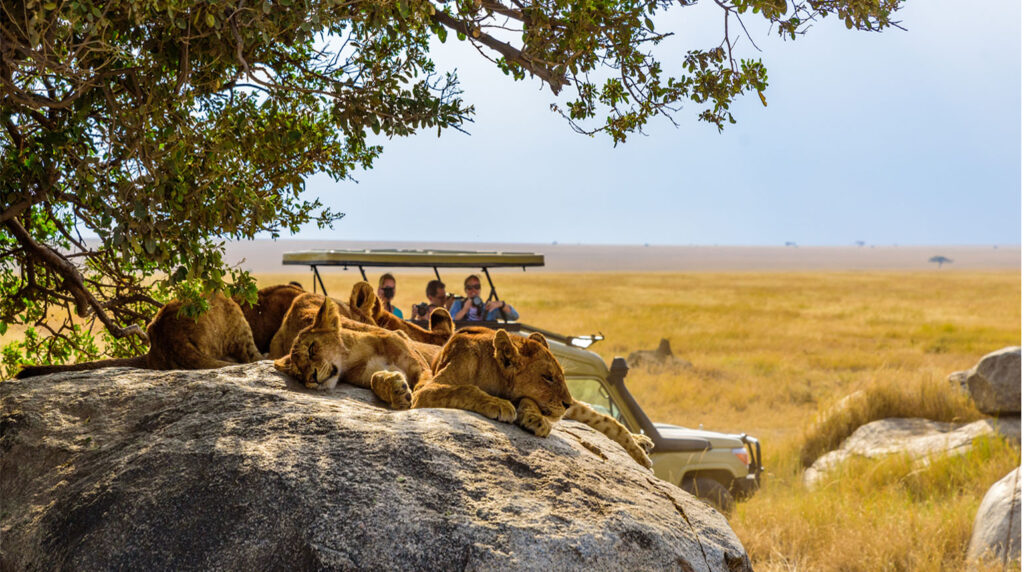
When you think of Tanzania, the first image that often comes to mind is the Serengeti. And for good reason — it’s one of the most famous wildlife destinations on Earth.
Why Visit?
- Witness the Great Migration — over 1.5 million wildebeests, zebras, and antelopes migrate annually.
- See the “Big Five” (lion, leopard, elephant, rhino, buffalo).
- Vast savannahs, dramatic sunsets, and unforgettable game drives.
Pro Tip: Go between June and October for the best chance to witness the migration.
2. Conquer Mount Kilimanjaro
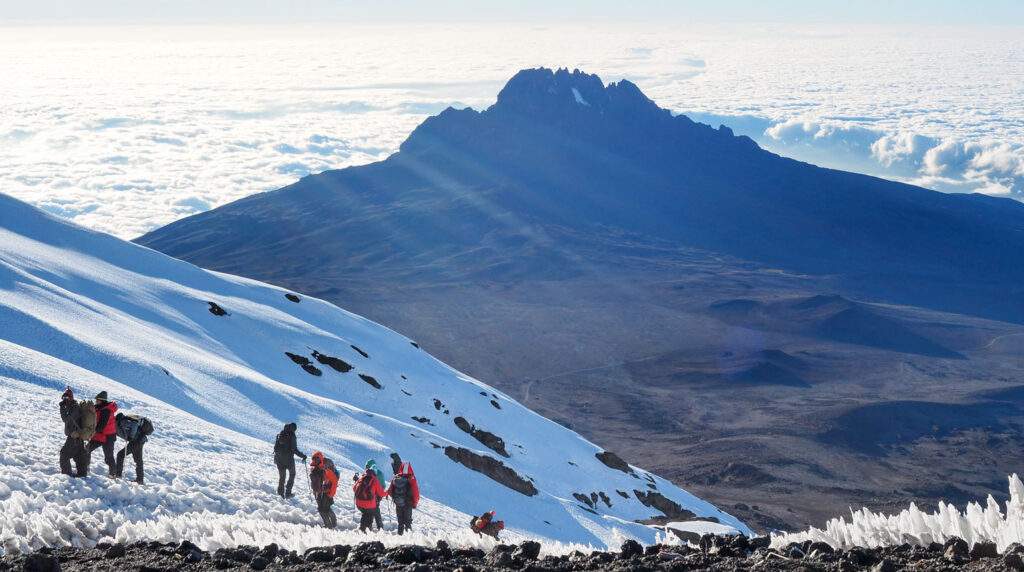
The highest peak in Africa and one of the world’s Seven Summits, Mount Kilimanjaro attracts trekkers from around the globe.
Why Visit?
- No technical climbing skills required — just stamina and willpower.
- Diverse ecosystems from rainforest to alpine desert to icy summit.
- The feeling of standing above the clouds at 19,341 feet is unmatched.
Pro Tip: Choose your route wisely — the Lemosho and Machame routes offer the best balance of scenic beauty and acclimatization.
3. Relax in Zanzibar
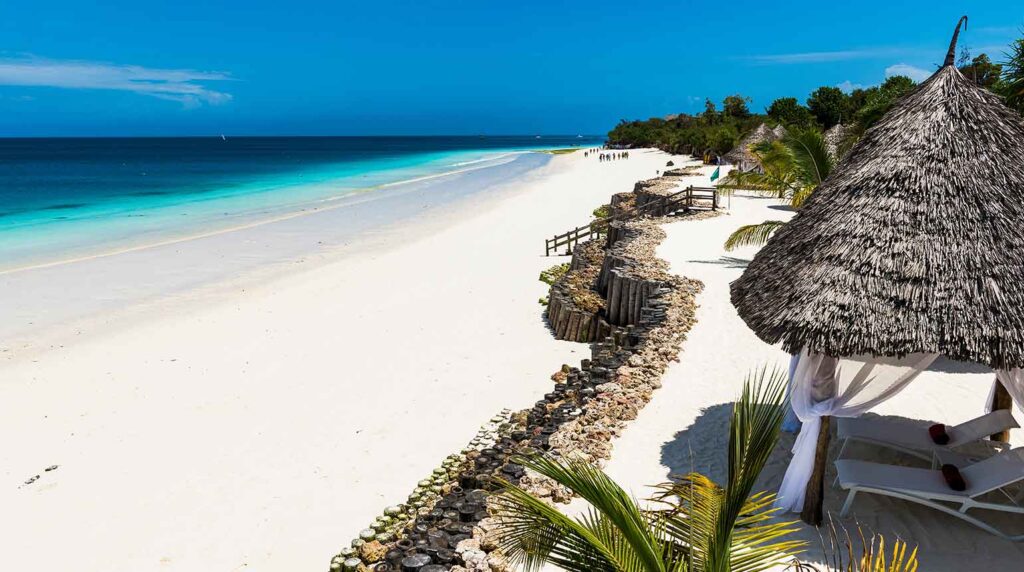
Just off the Tanzanian coast lies Zanzibar, an idyllic island with white sand beaches, turquoise waters, and a rich blend of cultures.
What to Do in Zanzibar:
- Stroll through Stone Town, a UNESCO World Heritage Site.
- Go snorkeling or diving in Mnemba Atoll.
- Visit a spice farm and learn why Zanzibar is called the “Spice Island.”
Pro Tip: For calm seas and sunny skies, visit between June and October or December to February.
4. Explore Ngorongoro Crater
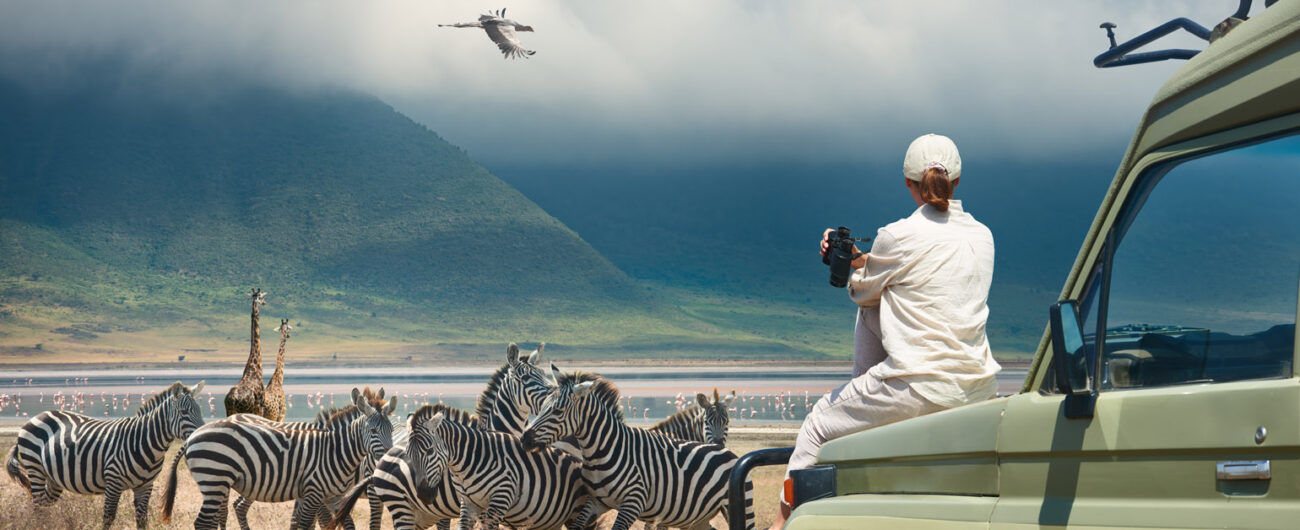
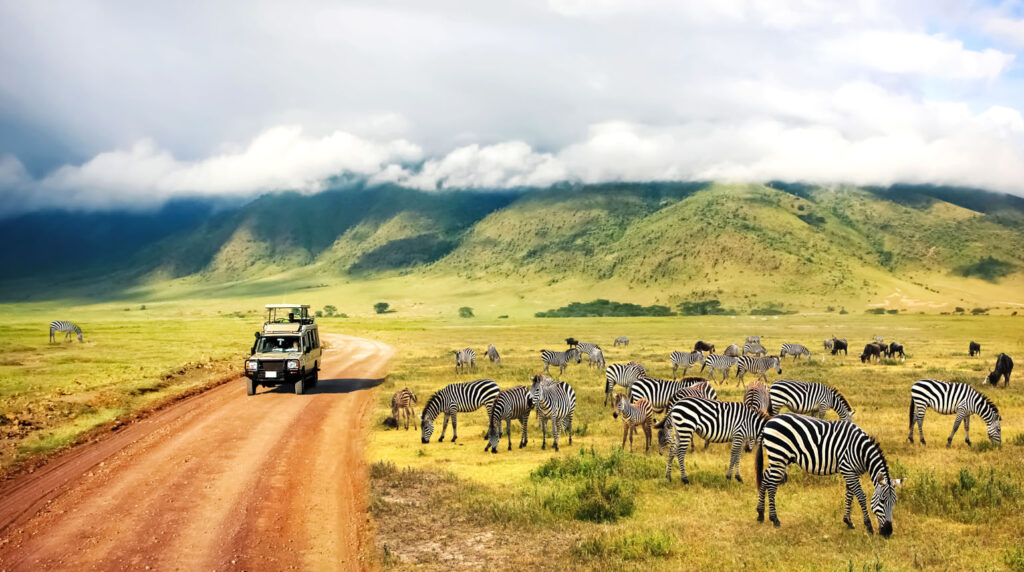
Known as the world’s largest inactive volcanic caldera, Ngorongoro Crater is a biodiverse haven and a UNESCO World Heritage Site.
Why Visit?
- Home to around 25,000 animals, including black rhinos and large prides of lions.
- Breathtaking scenery — think misty mornings and dramatic crater walls.
- Cultural interaction with the Maasai who live in the conservation area.
Must-See:
- Lake Magadi for flamingos.
- Lerai Forest for elephants and leopards.
5. Discover Tarangire National Park
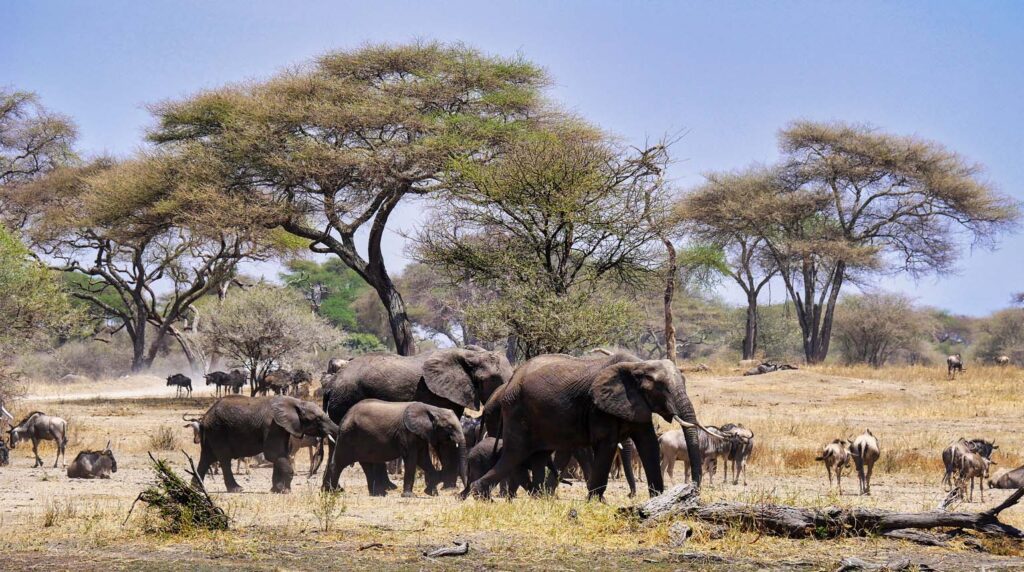
Often overlooked, Tarangire is one of the best-kept secrets among the top places to visit in Tanzania.
Why Visit?
- Incredible elephant population — you’ll see them by the dozens.
- Ancient baobab trees dominate the landscape.
- Less crowded than Serengeti or Ngorongoro, making for a more intimate experience.
Pro Tip: Visit during the dry season (June to October) when animals gather around the Tarangire River.
6. Roam Lake Manyara National Park
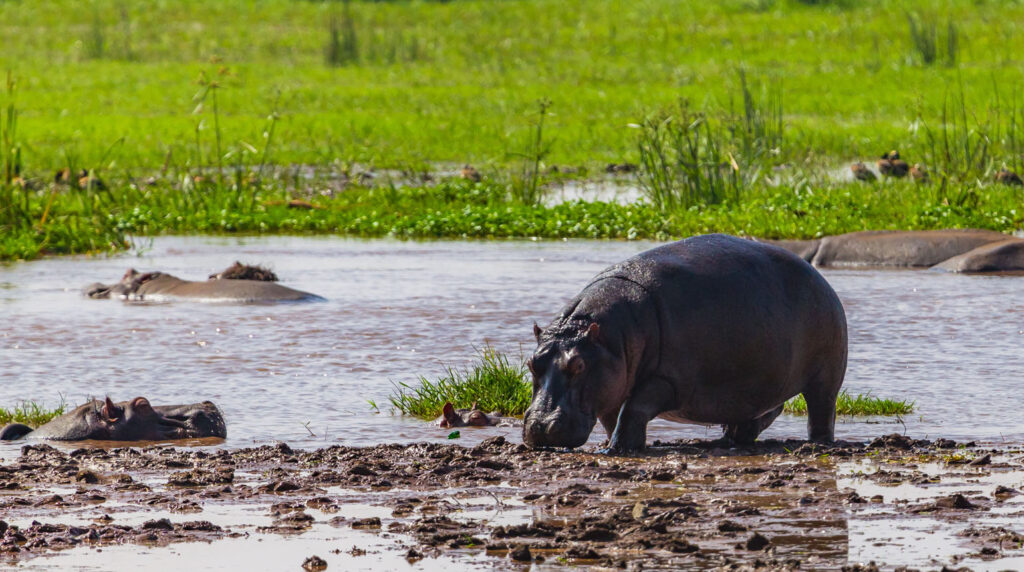
A compact park packed with diversity, Lake Manyara offers a unique safari experience.
Why Visit?
- Famous for tree-climbing lions.
- Over 400 species of birds — a birdwatcher’s dream.
- Contrasting environments: groundwater forests, alkaline lake, open grasslands.
7. Visit the Maasai Villages
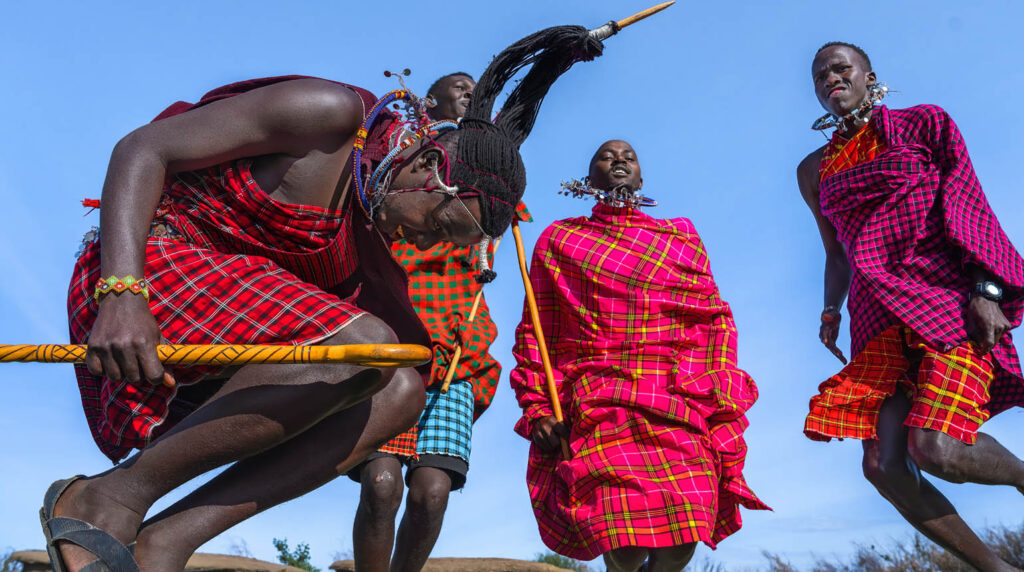
To truly understand Tanzania, immerse yourself in its cultural richness by visiting Maasai villages.
Why Visit?
- Learn about traditional customs, ceremonies, and crafts.
- See traditional bomas (huts) and participate in cultural dances.
- Purchase handmade beadwork and support local artisans.
Pro Tip: Choose tours run in partnership with local communities for a more authentic and respectful experience.
8. Hike in the Usambara Mountains
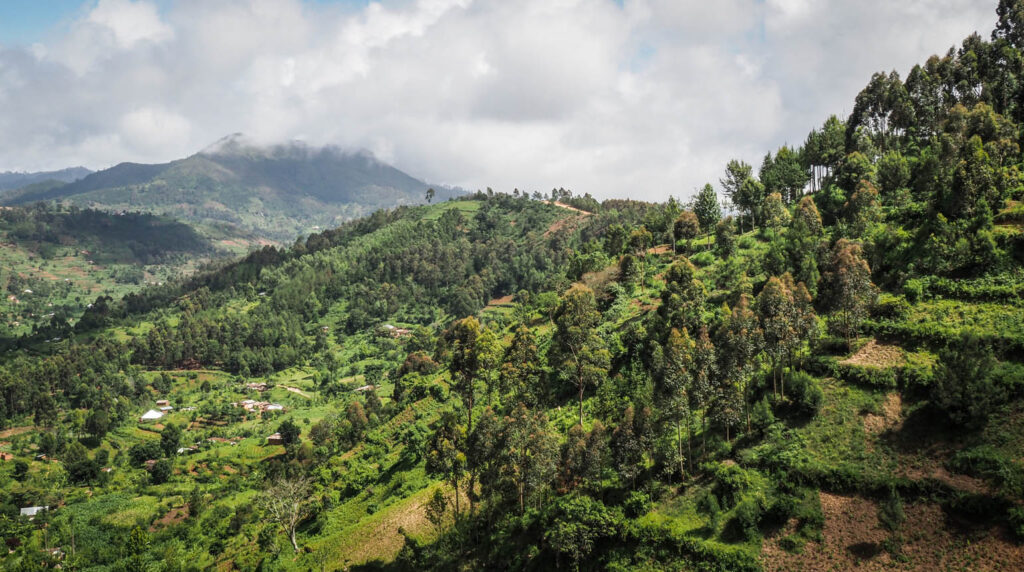
A hidden gem for nature lovers and hikers, the Usambara Mountains offer an off-the-beaten-path adventure.
Why Visit?
- Panoramic views, lush forests, and colonial-era towns.
- Ideal for eco-tourism, birdwatching, and rural cultural experiences.
- Cooler temperatures and less tourist traffic.
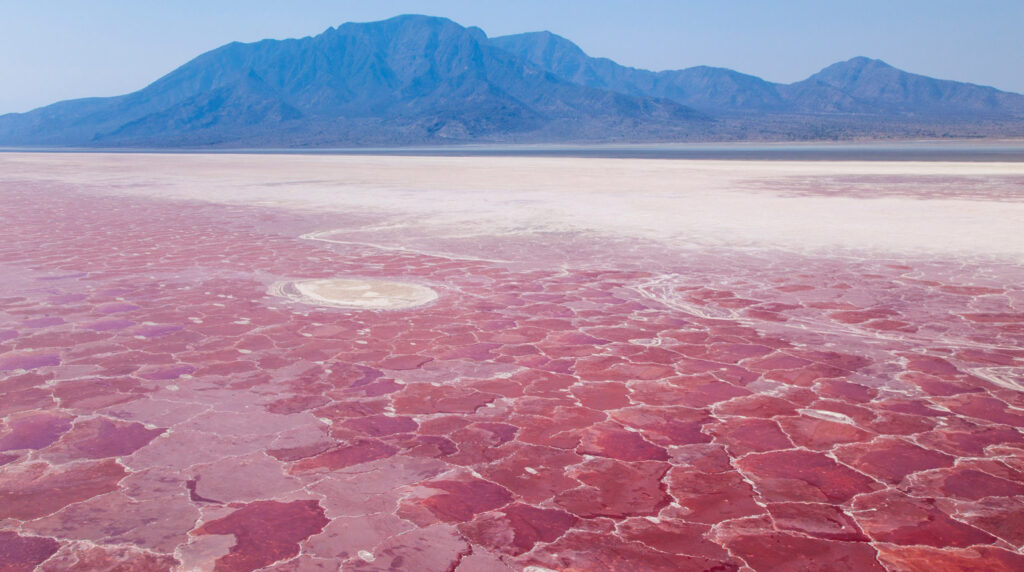
9. See the Flamingos of Lake Natron
In northern Tanzania, near the Kenyan border, Lake Natron is a surreal, salty lake that attracts thousands of flamingos.
Why Visit?
- Unique scenery with crimson-colored water.
- Important breeding ground for lesser flamingos.
- Great base for hiking to nearby Ol Doinyo Lengai (a still-active volcano).
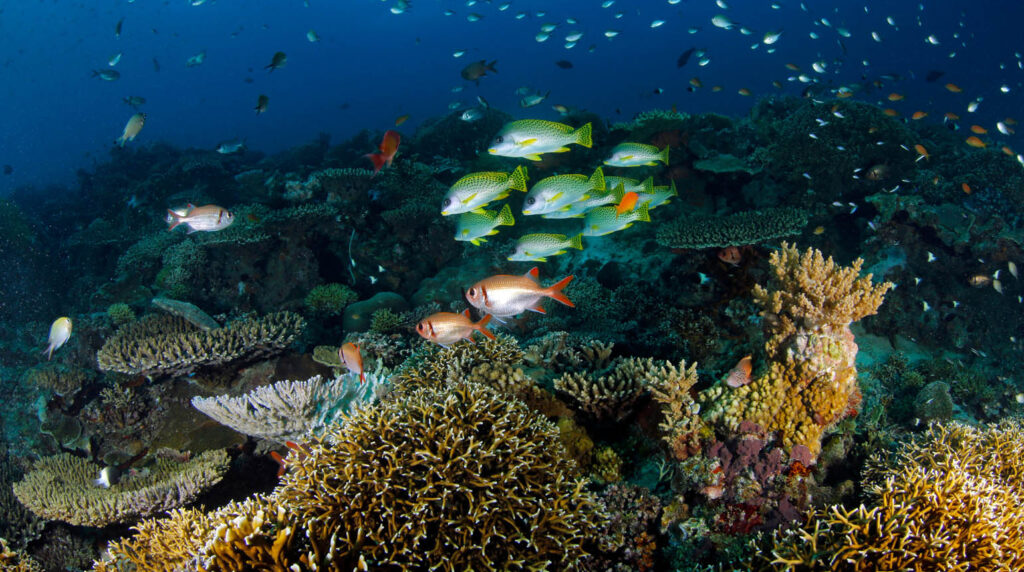
10. Dive or Snorkel in Mafia Island
For an untouched marine experience, Mafia Island is a true diver’s paradise.
Why Visit?
- Part of a protected marine park with vibrant coral reefs.
- Swim with whale sharks (October to March).
- Peaceful, unspoiled, and perfect for slow travel.
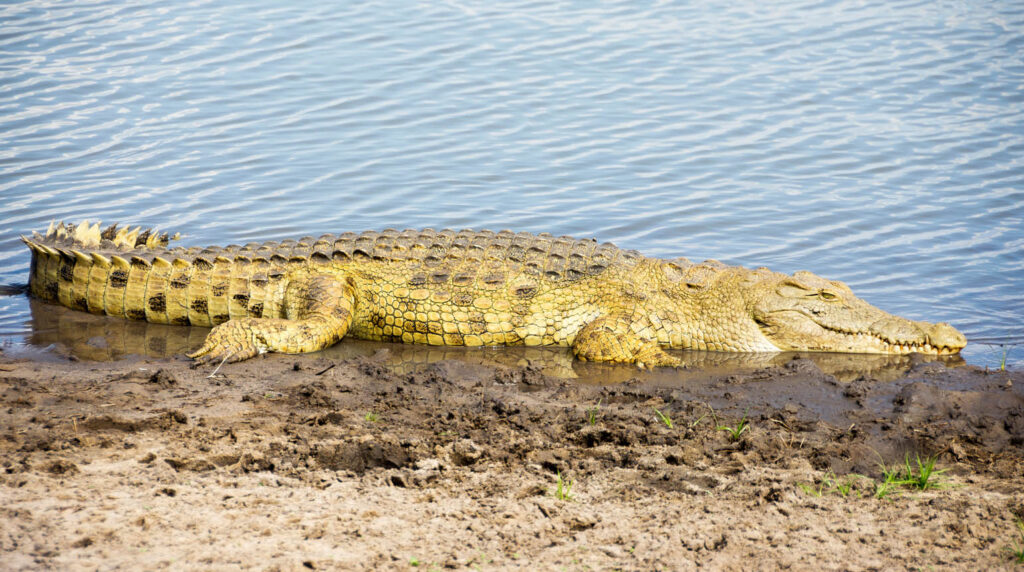
11. Take a Boat Safari in Selous Game Reserve
Selous (now part of Nyerere National Park) is the largest protected wildlife reserve in Africa.
What to Do:
- Unique boat safaris on the Rufiji River.
- Spot crocodiles, hippos, and elephants near the riverbanks.
- Enjoy remote wilderness with few tourists.
12. Marvel at Ruins in Kilwa Kisiwani
Step back in time at Kilwa Kisiwani, a medieval Swahili trading city that was once among the most important ports in East Africa.
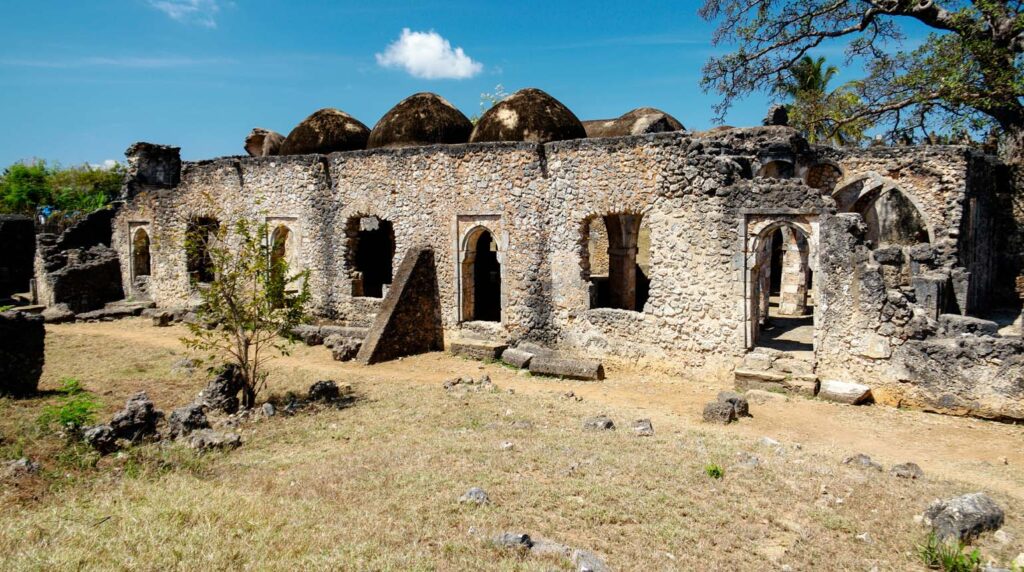
Why Visit?
- UNESCO World Heritage Site.
- Explore coral-stone ruins of mosques, palaces, and fortresses.
- Ideal for history buffs and cultural travelers.
Must-Read: Sri Lanka was just named the most beautiful island in the world for 2025. Find out how and why it was able to take the crown over other popular destinations. Read our guide as Sabina breaks down everything you need to know. Click here!
Must-See Places in Tanzania at a Glance
| Attraction | Best For | Location |
| Serengeti National Park | Wildlife & Migration | Northern Tanzania |
| Mount Kilimanjaro | Trekking & Adventure | Near Moshi |
| Zanzibar | Beaches & Culture | Off East Coast |
| Ngorongoro Crater | Safari & Scenery | Northern Tanzania |
| Tarangire | Elephants & Solitude | Northern Circuit |
| Lake Manyara | Birdwatching & Tree Lions | Northern Circuit |
| Usambara Mountains | Hiking & Eco-tourism | NE Tanzania |
| Lake Natron | Flamingos & Volcanoes | Northern Tanzania |
| Mafia Island | Diving & Whale Sharks | Indian Ocean |
| Selous/Nyerere | River Safaris | Southern Tanzania |
| Kilwa Kisiwani | History & Ruins | Southern Coast |
Serengeti National Park – The Heart of the African Safari
The Serengeti is Tanzania’s flagship national park and one of the most iconic safari destinations in the world. Known for its sprawling savannahs and diverse wildlife, it’s particularly famous for the Great Wildebeest Migration, where millions of wildebeests, zebras, and gazelles move across the plains in search of fresh grass.
Highlights:
- Experience thrilling game drives in search of the Big Five.
- Watch predator-prey drama unfold during the migration.
- Take a sunrise hot air balloon safari over the plains.
Why It’s a Must-See: It’s the definitive answer to what to do in Tanzania if you’re seeking a classic African safari experience.
Mount Kilimanjaro – The Roof of Africa
Towering at 19,341 feet, Mount Kilimanjaro is Africa’s highest mountain and the tallest free-standing mountain in the world. Climbing Kilimanjaro is on many adventurers’ bucket lists, and it’s possible without technical climbing experience.
Highlights:
- Trek through five climate zones: rainforest, moorland, alpine desert, and arctic summit.
- Choose from several routes like Machame, Marangu, or Lemosho.
- Witness stunning views from the summit at Uhuru Peak.
Why It’s a Must-See: Trekking Kilimanjaro is one of the most rewarding things to do in Tanzania for adventure seekers and nature lovers.
Ngorongoro Crater – A Natural Wonder
Often described as the Eighth Wonder of the World, the Ngorongoro Crater is a vast, unbroken volcanic caldera that’s home to over 25,000 animals. It’s part of the larger Ngorongoro Conservation Area, where wildlife coexists with traditional Maasai communities.
Highlights:
- Spot black rhinos, large lion prides, and massive herds of wildebeest and zebras.
- Scenic crater rim views with misty mornings and lush landscapes.
- Visit nearby Olduvai Gorge, a key site in human evolutionary history.
Why It’s a Must-See: It’s a microcosm of Africa’s wildlife and landscapes, making it one of the top places to visit in Tanzania.
Zanzibar – The Spice Island Paradise
A jewel off Tanzania’s coast, Zanzibar is famed for its white-sand beaches, crystal-clear waters, and vibrant culture. Whether you’re a beach bum, history lover, or underwater explorer, Zanzibar has something for you.
Highlights:
- Explore Stone Town, a UNESCO World Heritage Site filled with Swahili, Arab, and colonial architecture.
- Snorkel or dive in Mnemba Atoll or Nakupenda Beach.
- Visit spice plantations to learn about cloves, nutmeg, cinnamon, and vanilla.
Why It’s a Must-See: A perfect way to relax after a safari, and a cultural melting pot — this is what to do in Tanzania when you want a mix of adventure and serenity.
Tarangire National Park – Tanzania’s Elephant Kingdom
Often overshadowed by the Serengeti, Tarangire National Park is a hidden gem known for its large elephant herds and ancient baobab trees. It’s one of the more peaceful parks, making it ideal for less crowded safaris.
Highlights:
- Watch elephants bathe in the Tarangire River.
- Spot tree-climbing pythons and rare bird species.
- Marvel at the “upside-down” baobabs that dot the landscape.
Why It’s a Must-See: For wildlife without the crowds and a truly unique safari atmosphere, this is one of the underrated must-see places in Tanzania.
Lake Manyara National Park – Compact Yet Diverse
Nestled at the base of the Great Rift Valley, Lake Manyara is a small but incredibly diverse national park. Its mix of forest, wetland, and open plains makes it a haven for wildlife and birds.
Highlights:
- Spot tree-climbing lions, unique to this park.
- See flamingos by the thousands lining the alkaline lake.
- Visit the canopy walkway for a unique treetop perspective.
Why It’s a Must-See: It’s a great introduction to Tanzania’s safari circuit and ideal for a short but rewarding game drive.
Usambara Mountains – Off-the-Beaten-Path Trekking
The Usambara Mountains, located in northeastern Tanzania, are lush, green, and filled with biodiversity. This region offers cooler weather and a welcome contrast to the savannahs and coastlines.
Highlights:
- Hike between colonial towns like Lushoto and Amani.
- Enjoy sweeping views of the valleys and farmlands.
- Meet locals and learn about sustainable farming and forest conservation.
Why It’s a Must-See: For eco-tourists and hikers, this is a refreshing, lesser-known answer to what to do in Tanzania.
Lake Natron & Ol Doinyo Lengai – A Landscape from Another World
Located in northern Tanzania, near the Kenya border, Lake Natron is a strikingly red, alkaline lake that serves as a breeding ground for flamingos. Nearby is Ol Doinyo Lengai, an active volcano sacred to the Maasai.
Highlights:
- See flocks of pink flamingos wading in the red-tinted waters.
- Climb Ol Doinyo Lengai for views of the Great Rift Valley.
- Explore nearby waterfalls and gorges.
Why It’s a Must-See: It’s one of the most surreal places to visit in Tanzania, offering unique landscapes you won’t find elsewhere.
Mafia Island – Marine Paradise
Less touristy than Zanzibar, Mafia Island is part of a marine park and one of the best places for snorkeling and diving in Tanzania.
Highlights:
- Dive among vibrant coral reefs and abundant marine life.
- Swim with whale sharks (October–March).
- Enjoy tranquil beaches with few tourists.
Why It’s a Must-See: If you’re looking for off-the-grid beach bliss, this is one of the best things to do in Tanzania for nature and ocean lovers.
Nyerere National Park (Formerly Selous Game Reserve) – Wilderness at Scale
The largest protected area in Africa, Nyerere National Park offers a more remote and wild safari experience. Unlike northern parks, this one features boat safaris along the Rufiji River and far fewer tourists.
Highlights:
- Spot crocodiles, hippos, elephants, and wild dogs.
- Take guided walking safaris and boat rides.
- Enjoy seclusion and untouched landscapes.
Why It’s a Must-See: If you want a raw and intimate experience with nature, this is one of the most authentic places to visit in Tanzania.
Kilwa Kisiwani – The Forgotten Swahili Empire
Off the southern coast of Tanzania lies Kilwa Kisiwani, a historic island that was once a powerful Swahili trading hub during the 13th to 16th centuries.
Highlights:
- Explore ruins of palaces, mosques, and fortresses built from coral stone.
- Visit the Great Mosque of Kilwa, the oldest standing mosque on the East African coast.
- Learn about East Africa’s ancient maritime trade networks.
Why It’s a Must-See: A UNESCO World Heritage Site that adds a deep historical layer to your itinerary — a perfect cultural detour from the standard safari.
Insider Travel Tips for Tanzania
Visas: Most nationalities can get a tourist visa on arrival for stays of up to 90 days, but it’s highly recommended to apply online through the official Tanzania eVisa portal for faster processing and peace of mind. Be sure your passport is valid for at least six months from your date of entry.
Best Time to Visit: Tanzania has two main travel seasons:
- June to October (dry season) is ideal for wildlife viewing and climbing Mount Kilimanjaro.
- December to February offers good weather for coastal areas and birdwatching, especially in the Serengeti during calving season.
- The green season (March to May) sees fewer crowds and lush landscapes, but some roads may be impassable due to rain.
Currency: The local currency is the Tanzanian Shilling (TZS). While major hotels and lodges accept credit cards (mainly Visa and Mastercard), smaller vendors and rural areas operate on a cash-only basis. US dollars are widely accepted, especially for tourism-related expenses, but bring newer bills (printed after 2006) to avoid issues.
Health & Safety:
- Vaccinations: Yellow fever vaccination is recommended and may be required if arriving from a country with risk of transmission.
- Malaria: Tanzania is a malaria-risk area; consult your doctor about taking antimalarial tablets.
- Travel Insurance: Always travel with comprehensive insurance that covers medical evacuation, especially if you’re trekking or going on safari.
Local Etiquette:
- Dress modestly, particularly in rural areas and Muslim-majority regions like Zanzibar.
- Public displays of affection are frowned upon, especially in conservative communities.
- Greet people respectfully; use your right hand when giving or receiving items.
- Always ask for permission before taking someone’s photo, especially in Maasai villages or local markets.
Language: Swahili is the official language, and learning a few basic phrases like “Jambo” (Hello) or “Asante” (Thank you) goes a long way. English is widely spoken in tourist areas, but less so in rural villages.
Tipping: Tipping is customary in Tanzania. A general guideline:
- Safari guide: $10–$20 per person per day
- Hotel/lodge staff: $1–$2 per service
- Porters: $1 per bag
- Restaurant service: 5%–10% if service is not included
Transport
- Domestic Flights are the quickest way to cover long distances, especially between safari parks and the coast.
- Road Travel can be bumpy and slow due to poor infrastructure, particularly in remote areas — a 4×4 is essential for self-drives.
- Use reputable taxi services or request transfers through your hotel.
Connectivity: Mobile coverage is good in urban areas and safari hubs. Purchase a local SIM card (Vodacom or Airtel) for affordable data. Wi-Fi may be slow or unavailable in remote lodges.
Electricity: Tanzania uses the British-style Type G socket. Voltage is 230V. Bring a universal adapter and consider a power bank for long days out.
Responsible Tourism:
- Respect wildlife and keep a safe distance — don’t try to touch or feed animals.
- Support community-run tourism initiatives, local crafts, and eco-lodges.
- Avoid buying souvenirs made from ivory, coral, or endangered animal parts.
Food & Water:
- Stick to bottled or purified water; avoid tap water even for brushing teeth.
- Tanzanian cuisine is generally safe, but opt for freshly cooked meals.
- Popular dishes include ugali, nyama choma (grilled meat), chapati, and pilau.
Customs & Culture:
- Tanzanians are friendly and hospitable — take time to greet people properly.
- Religion plays a strong role in daily life. Be respectful when visiting mosques or attending local festivals.
- Bartering is common in markets, but always remain polite and good-natured during negotiations.
Reader’s Pick: Get your dose of Himalayan magic! Here’s the ultimate guide to a Mardi Himal Trek including an expertly curated itinerary, map and cost predictions. Click here for more information today.
Frequently Asked Questions About Things to Do in Tanzania
Is Tanzania safe for tourists?
Yes, Tanzania is generally safe. However, like any destination, exercise standard precautions. Use registered guides, avoid isolated areas at night, and be cautious with valuables.
What’s the best time to see the Great Migration?
The migration moves throughout the year. June to July is best for river crossings in the Serengeti, while December to March is calving season in the southern Serengeti.
Do I need a guide for safaris?
Yes. Most national parks require you to be accompanied by a certified guide. It’s also highly recommended for safety and spotting wildlife.
Can I climb Kilimanjaro without experience?
You don’t need technical mountaineering experience, but a good level of fitness and preparation is essential. Altitude sickness is the biggest challenge.
What are the top must-see places in Tanzania for a first-time visitor?
If you’re a first-time visitor, your ideal route might include Serengeti, Ngorongoro Crater, Mount Kilimanjaro, and Zanzibar — giving you a full mix of safari, adventure, and relaxation.
Can I book my vacation in Tanzania with Travel Centre US?
Yes! At Travel Centre, we have a curated selection of vacation packages to Tanzania. Plus, we also specialize in creating tailor-made journeys just for you. We also guarantee flexible instalment plans, low deposits and massive savings on your trip. So, there’s really no need to wait any longer.
How many days should I spend in Tanzania for a well-rounded trip?
A 10 to 14-day itinerary is ideal to experience the best places to visit in Tanzania. This allows time for a Northern Circuit safari (Serengeti, Ngorongoro, and Tarangire), a Kilimanjaro trek (if planned), and a few relaxing days in Zanzibar. If you’re skipping the trek, 7 to 10 days is sufficient for a classic safari-and-beach combo — two of the top things to do in Tanzania.
Is it possible to combine Tanzania with other East African countries?
Yes, Tanzania pairs well with nearby destinations like Kenya, Uganda, or Rwanda. You can easily combine Tanzania’s Serengeti with Kenya’s Maasai Mara to witness the full cycle of the Great Migration. Or, if you’re interested in gorilla trekking, add Rwanda or Uganda. Regional flights and overland options make cross-border travel straightforward — expanding your options beyond just what to do in Tanzania
Recent Read: In case you haven’t noticed, Sri Lanka’s been on a roll with travelers! So, here’s a guide on the best things to do in the country – a journey through the destination’s culture, nature and coastal charm. Click here for more information today.
Final Thoughts
Whether you’re chasing wildlife, summiting a mountain, soaking up island vibes, or immersing yourself in ancient culture, Tanzania delivers an adventure like no other. With so many places to visit in Tanzania, each offering its own unique magic, your itinerary will be packed with awe-inspiring moments.
As you plan your journey, keep this guide handy to discover all the things to do in Tanzania — from classic highlights to hidden gems. And no matter where your journey takes you, one thing’s for sure: you’ll return home forever changed.