Best Places for Astrotourism: Why the Night Sky is Becoming the Ultimate Travel Experience
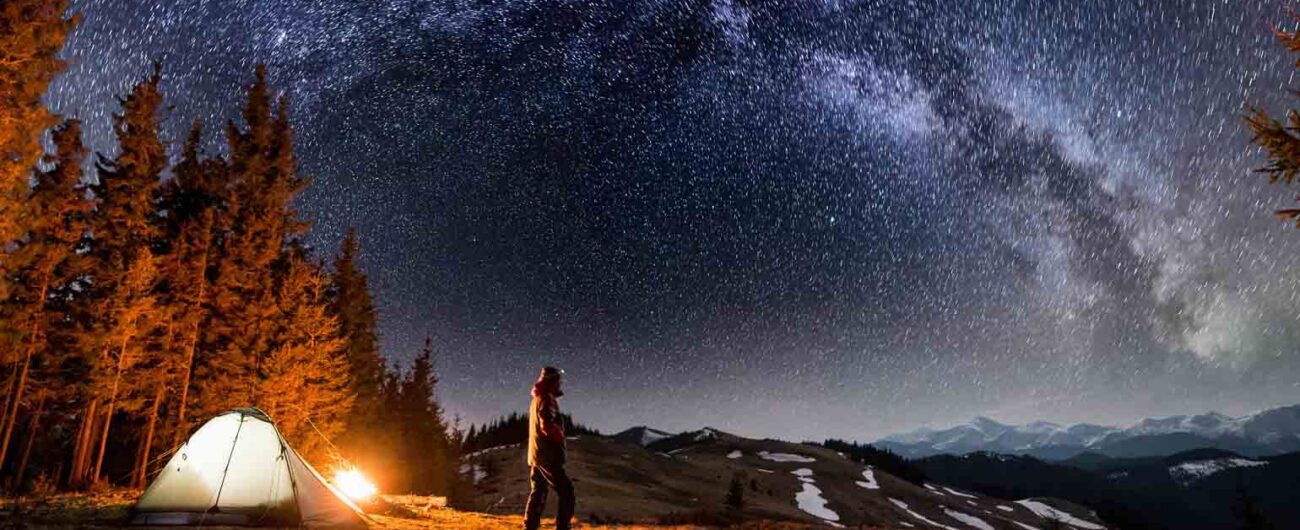
There’s something wildly magical about looking up at a sky so clear that it almost feels unreal. No notifications. No traffic noise. No glowing city billboards fighting for attention. Just an endless blanket of stars stretching across the darkness like nature’s own masterpiece.
Best Places for Astrotourism
That’s exactly why astrotourism has exploded into one of the most fascinating travel trends in recent years. More travelers are swapping crowded tourist attractions for peaceful dark-sky experiences, searching for the best places for astrotourism where the universe truly comes alive after sunset. From meteor showers and lunar eclipses to glowing constellations and the breathtaking Milky Way, people are discovering that some of the most unforgettable travel moments happen at night.
And honestly? It makes perfect sense.
Modern life is loud. Screens dominate our attention. Cities rarely sleep. Because of that, many travelers are now craving slower, more meaningful experiences that reconnect them with nature, silence, and wonder. Astrotourism delivers all three in the most unforgettable way possible. In fact, experts describe astrotourism as a sustainable style of travel built around observing dark skies free from heavy light pollution.
Even better, stargazing isn’t only for astronomers anymore.
You don’t need expensive telescopes or advanced scientific knowledge to enjoy the stars. Sometimes all you need is a dark sky, a warm blanket, and enough curiosity to look upward for a while.
So, if you’ve ever dreamed about finding the best places to stargaze, chasing celestial events across the globe, or simply escaping into the peaceful beauty of the night sky, this guide is for you.
Let’s dive into the enchanting world of astrotourism and discover why dark skies are becoming the hottest travel obsession on Earth.
What is Astrotourism?
At its heart, astrotourism is all about traveling to experience the beauty, mystery, and wonder of the night sky.
Sounds simple enough, doesn’t it?
Yet the moment you step beneath a truly dark sky for the first time, you quickly realize astrotourism is so much more than just “looking at stars.” It’s an experience that feels peaceful, emotional, exciting, and strangely unforgettable all at once. In fact, for many travelers, it becomes one of the most meaningful ways to reconnect with nature, slow down, and escape the overwhelming noise of modern life.
Unlike traditional holidays that revolve around crowded attractions, busy city centers, or packed sightseeing schedules, astrotourism encourages travelers to pause, breathe, and look upward. And surprisingly, something as simple as staring into a sky filled with thousands of stars can completely shift your perspective.
For some people, astrotourism means venturing deep into remote deserts where the Milky Way stretches dramatically across the sky like a glowing river of light. Others travel to isolated mountain regions where the thin, crisp air creates perfect stargazing conditions. Meanwhile, some travelers plan their entire trips around rare celestial events such as meteor showers, solar eclipses, lunar eclipses, or even dazzling aurora displays dancing across the horizon.
However, astrotourism isn’t only for astronomy experts carrying expensive telescopes and advanced camera equipment. That’s one of the biggest misconceptions people have. You don’t need scientific knowledge to appreciate the stars. In fact, many travelers simply seek the feeling that comes with experiencing true darkness for the first time in years — something that has become surprisingly rare in today’s brightly lit world.
And honestly, that first encounter with a genuinely dark sky can feel almost surreal.
The stars appear sharper. Constellations become easier to spot. The Milky Way suddenly looks real instead of something you only see in edited photographs online. For many people, it’s an emotional moment they never forget.
Because of this growing fascination with nighttime experiences, astrotourism has evolved into a wide range of travel styles and adventures. Depending on your interests, your perfect astrotourism trip could include:
- Peaceful stargazing adventures far away from city lights
- Observatory visits with guided astronomy experiences
- Night photography tours focused on capturing galaxies and constellations
- Dark sky camping beneath open wilderness skies
- Astronomy festivals filled with workshops and celestial events
- Lunar eclipse experiences in remote natural settings
- Meteor shower chasing during peak celestial seasons
- Sleeping beneath open skies in glass domes or outdoor lodges
- Desert or mountain night safaris with breathtaking cosmic views
- Wellness retreats centered around mindfulness and “star bathing”
In recent years, many luxury resorts and eco-retreats have also embraced astrotourism by creating immersive nighttime experiences for travelers. Some now offer private telescope sessions, astronomy guides, open-air sleeping suites, or candlelit dinners beneath the stars. As a result, astrotourism has become a beautiful blend of adventure, relaxation, science, wellness, and nature.
At the same time, the rise of astrotourism is closely connected to the growing popularity of “noctourism” — a travel trend where people actively seek unique nighttime experiences instead of focusing only on daytime activities. Rather than spending every waking hour rushing between landmarks, modern travelers are beginning to appreciate slower, quieter, and more atmospheric moments after sunset.
And honestly, it makes complete sense.
The world feels different at night. Slower. Softer. More reflective.
During the daytime, destinations are often filled with noise, crowds, schedules, and distractions. Yet once darkness arrives, everything changes. The air cools. The sky deepens. The stars begin to appear one by one. Suddenly, travelers find themselves experiencing destinations in an entirely new way.
That’s part of what makes astrotourism so special.
It transforms darkness — something many people normally overlook — into the main attraction.
In other words, travel after dark is no longer just an afterthought.
It’s officially having its moment.
Why Astrotourism Feels So Emotional
Here’s the thing nobody tells you about stargazing:
- It doesn’t just change what you see.
- It changes how you feel.
Standing beneath a truly dark sky can feel surprisingly emotional. For a few minutes, the constant stress of everyday life suddenly feels tiny compared to the scale of the universe. That sense of perspective is one of the biggest reasons people become obsessed with astrotourism after experiencing it once.
Many travelers describe their first real stargazing experience as calming, grounding, and even life-changing. Some wellness experts now compare “star bathing” to forest bathing because both encourage mindfulness, stillness, and emotional reset.
And honestly, there’s something deeply human about it.
For thousands of years, people navigated oceans, created myths, tracked seasons, and told stories using the stars. Long before smartphones existed, the night sky connected humanity across cultures and generations.
Maybe that’s why astrotourism feels less like a vacation trend and more like rediscovering something we were always meant to experience.
Why Dark Skies are Becoming More Valuable
Ironically, one of the reasons astrotourism is growing so quickly is because truly dark skies are becoming increasingly rare.
Artificial light pollution now affects enormous parts of the world. Studies show that over 80% of humanity lives beneath light-polluted skies, while the Milky Way is invisible to huge portions of the global population.
Think about that for a second.
Entire generations are growing up without ever seeing the Milky Way clearly.
That realization alone has inspired travelers to seek out the best places to stargaze before these pristine night skies disappear completely.
As a result, dark sky reserves, protected parks, and remote wilderness areas are becoming incredibly important for both tourism and environmental conservation.
What Makes the Best Places for Astrotourism So Special?
Not every destination offers incredible stargazing conditions.
The best places for astrotourism usually share several important qualities:
Minimal Light Pollution
This is the biggest factor.
The farther you are from cities and artificial lighting, the brighter and clearer the stars appear. Remote deserts, isolated islands, mountain regions, and wilderness parks often provide the darkest skies.
High Altitude
Higher elevations generally mean thinner, cleaner air and less atmospheric distortion. That’s why mountain regions are often considered among the Best places to stargaze.
Dry Climate
Dry environments typically have fewer clouds and less humidity, making celestial viewing much clearer.
Deserts especially tend to offer phenomenal night skies because moisture levels remain low throughout the year.
Stable Weather Conditions
Consistent clear skies are essential for successful astrotourism experiences. After all, even the most beautiful dark-sky destination becomes disappointing beneath heavy cloud cover.
Limited Moonlight
Believe it or not, the moon itself can reduce visibility for deep-sky stargazing.
That’s why experienced astrotourists often travel during new moon phases when skies remain darkest.
The Different Types of Astrotourism Experiences
One of the coolest things about astrotourism is how diverse it has become.
You can make the experience luxurious, adventurous, educational, romantic, or deeply spiritual depending on your travel style.
- Luxury Stargazing Escapes
Some travelers now choose high-end resorts offering private observatories, astronomy guides, telescope sessions, and even celestial-themed cocktails.
Imagine relaxing in an outdoor hot tub while galaxies appear overhead.
Not bad, right?
- Desert Stargazing
Deserts are legendary for astrotourism.
The combination of dry air, massive open landscapes, and minimal artificial lighting creates jaw-dropping celestial visibility. Stargazing in desert environments often feels cinematic because the horizon stretches endlessly in every direction.
- Mountain Astrotourism
Mountain regions add dramatic scenery to the experience.
Watching stars emerge above snowy peaks or rugged landscapes creates an unforgettable atmosphere that feels almost surreal.
- Coastal Stargazing
Remote coastlines can produce extraordinary night skies because oceans naturally reduce nearby light pollution.
There’s also something incredibly peaceful about hearing waves crash beneath a sky overflowing with stars.
- Forest and Wilderness Stargazing
For travelers who love camping and nature immersion, wilderness astrotourism combines outdoor adventure with celestial beauty.
These experiences often include campfires, night hikes, and wildlife encounters alongside incredible skies.
The Rise of “Star Bathing”
Yes, this is a real thing.
And honestly, it sounds pretty amazing.
“Star bathing” involves lying beneath the night sky and mindfully absorbing the atmosphere around you. No distractions. No rushing. Just complete stillness beneath the cosmos.
Travelers are increasingly seeking these slow, wellness-focused experiences because they provide a rare sense of peace in modern life.
Some people meditate while stargazing.
Others journal.
Some simply stay silent for hours.
There’s no correct way to experience the stars.
That freedom is part of the magic.
Astrotourism and Sustainability
One reason astrotourism has gained respect within the travel industry is because it often encourages sustainable tourism practices.
Unlike heavily commercialized tourism developments, dark-sky travel usually thrives in remote natural environments that benefit from conservation efforts.
Researchers have even highlighted astrotourism as a sustainable tourism model capable of supporting local economies while protecting natural landscapes and cultural heritage.
Additionally, preserving dark skies helps:
- Protect wildlife ecosystems
- Reduce unnecessary energy use
- Support scientific research
- Preserve cultural astronomy traditions
- Encourage eco-conscious travel
However, there’s also an important challenge.
As astrotourism grows, overcrowding and increased development could threaten the very darkness travelers seek. Experts warn that careful planning and responsible tourism practices are essential for preserving these fragile environments.
How Technology Changed Astrotourism
Ironically, technology helped revive our fascination with the night sky.
Apps now allow travelers to:
- Track constellations
- Predict meteor showers
- Monitor moon phases
- Locate dark sky areas
- Photograph stars using smartphones
- Plan eclipse trips years in advance
Meanwhile, modern telescopes have become more accessible and beginner-friendly than ever before.
Citizen science projects are also growing within astrotourism communities, allowing travelers to participate in astronomy research while exploring dark sky destinations.
So yes, your vacation can literally contribute to science now.
That’s pretty incredible.
The Emotional Side of Finding the Best Places to Stargaze
You know what’s funny?
Most people spend their lives looking down.
- On phones.
- At work.
- In traffic.
- On screens.
Astrotourism changes that. It reminds people to look up again. And surprisingly, that tiny shift in perspective can feel powerful.
Many travelers return from stargazing trips talking less about luxury hotels or fancy restaurants and more about moments they can barely describe:
- Seeing the Milky Way for the first time
- Watching shooting stars in total silence
- Feeling unbelievably small beneath the universe
- Sharing constellations with loved ones
- Sitting beneath the stars without thinking about time
Those moments stick with people. That’s why astrotourism often becomes more than just another vacation. It becomes a memory people carry forever.
Tips for Planning an Incredible Astrotourism Trip
If you’re serious about finding the best places for astrotourism, planning matters more than you might think.
Here are a few things experienced stargazers always consider:
Check Moon Phases
A bright full moon can dramatically reduce visibility for deep-sky observation. New moon periods typically provide the darkest skies.
Watch Weather Forecasts Carefully
Cloud cover is the ultimate stargazing enemy. Even world-famous dark sky locations can disappoint during bad weather.
Travel During Major Celestial Events
Meteor showers, eclipses, and planetary alignments can transform an ordinary stargazing trip into a once-in-a-lifetime experience.
Bring Warm Clothing
Even deserts can become surprisingly cold at night. Layers are your best friend.
Use Red Flashlights
Red light preserves night vision much better than white light. That’s why astronomers prefer it.
Avoid Phone Screens
Bright screens ruin dark adaptation. Your eyes need time to adjust properly to darkness.
Be Patient
Some of the best stargazing moments happen after simply sitting quietly for a while. The night sky rewards patience.
Why Astrotourism Is Perfect for Families
Astrotourism can also be an incredible family experience. Children naturally feel fascinated by stars, planets, and space. In fact, a dark-sky trip can spark curiosity about science, astronomy, and nature in ways classrooms sometimes can’t.
And honestly, few things feel more wholesome than lying beneath the stars together while trying to identify constellations.
Unlike crowded attractions packed with noise and stress, stargazing encourages families to slow down and simply enjoy each other’s company.
No screens required.
The Connection Between Culture and the Night Sky
One of the most beautiful aspects of astrotourism is how deeply connected it is to human history. Nearly every culture on Earth developed stories, myths, and traditions inspired by the stars.
Ancient civilizations used celestial patterns to:
- Navigate oceans
- Predict seasons
- Guide agriculture
- Create calendars
- Shape spiritual beliefs
Today, many astrotourism experiences include storytelling, indigenous astronomy traditions, and cultural sky interpretations that make stargazing even more meaningful.
The stars may be universal, but the stories we attach to them are wonderfully diverse.
Why Astrotourism Is More Than Just a Trend
At first glance, astrotourism might seem like another social media-driven travel craze. But it actually reflects something much deeper.
- People are exhausted by overstimulation.
- They want experiences that feel authentic.
- They want silence.
- They want wonder.
- And perhaps most importantly, they want moments that make them feel connected to something larger than themselves.
That’s exactly what the best places to stargaze provide.
Unlike flashy attractions that lose their novelty after a few minutes, the night sky remains timeless. No two stargazing experiences ever feel exactly the same.
- Some nights deliver meteor showers.
- Others offer eerie silence.
- Some reveal constellations glowing overhead.
- Others simply provide stillness.
- Yet somehow, all of them feel memorable.
5 Best Places for Astrotourism in Europe That Will Completely Change the Way You See the Night Sky
There’s something magical about standing beneath a sky filled with stars while the rest of the world falls completely silent. No traffic, no city lights, no constant notifications — just cool night air and a universe glowing overhead like a dream.
That’s exactly why astrotourism has become such a huge travel trend in recent years. More travelers are leaving crowded cities behind and searching for the best places for astrotourism in Europe where dark skies still shine brilliantly. And honestly, once you experience a truly clear night sky, it’s impossible not to fall in love with it.
Although Europe is famous for its history, beaches, and culture, it’s also home to some of the Best places to stargaze in the world. From volcanic islands and mountain landscapes to remote forests and peaceful national parks, there are countless incredible spots where the stars feel almost close enough to touch.
So, if you’re dreaming of meteor showers, glowing galaxies, and unforgettable nights beneath the Milky Way, these are the best places for astrotourism in Europe to add to your bucket list.
1. Iceland — Where Fire, Ice, and the Cosmos Collide
Why Iceland Is One of the Best Places for Astrotourism in Europe
If there’s one destination that feels tailor-made for astrotourism, it’s definitely Iceland.
This country already feels otherworldly during the daytime with its volcanoes, waterfalls, glaciers, lava fields, and black sand beaches. However, once night falls, Iceland transforms into one of the most magical best places to stargaze on the planet.
Because Iceland has extremely low light pollution outside its cities, travelers can experience breathtakingly clear skies in remote regions across the country. Furthermore, during winter months, visitors have the chance to witness the mesmerizing Northern Lights dancing overhead in vibrant shades of green, purple, and blue.
And honestly? Seeing the aurora for the first time feels almost unreal.
One moment the sky is dark and calm. Then suddenly, ribbons of glowing color begin swirling above you like the universe is putting on a private performance.
What Makes Iceland Perfect for Astrotourism?
Several factors make Iceland one of the best places for astrotourism in Europe:
- Extremely low light pollution
- Remote natural landscapes
- Long winter nights
- Frequent aurora activity
- Dramatic scenery for night photography
- Peaceful wilderness environments
Additionally, Iceland’s unique landscapes make every stargazing session feel cinematic. Imagine watching constellations appear above frozen waterfalls or volcanic mountains while steam rises from nearby geothermal springs.
It genuinely feels like another planet.
Best Astrotourism Experiences in Iceland
Some unforgettable astrotourism experiences in Iceland include:
- Northern Lights tours
- Glacier stargazing
- Black sand beach astrophotography
- Volcano night hikes
- Remote cabin stays beneath dark skies
- Geothermal spa stargazing experiences
And let’s be honest — soaking in warm geothermal water while stars fill the sky overhead sounds pretty close to perfect.
2. The Scottish Highlands, Scotland — Europe’s Wild Stargazing Paradise
Why the Scottish Highlands Are Among the Best Places to Stargaze
The Scottish Highlands are the kind of place that instantly makes you slow down.
Massive mountains. Endless lochs. Empty roads. Tiny villages. Misty valleys.
And then, after sunset, the real magic begins.
Because much of the Highlands remains sparsely populated, the region offers incredibly dark skies that are ideal for astrotourism. In fact, parts of Scotland are home to internationally recognized Dark Sky Parks where the Milky Way becomes beautifully visible to the naked eye.
What makes the Highlands especially unforgettable, though, is the atmosphere.
There’s something hauntingly beautiful about watching stars emerge above rugged mountains while cold wind moves across the landscape. It feels ancient, peaceful, and wildly cinematic all at once.
Why Travelers Love Astrotourism in Scotland
The Scottish Highlands combine adventure with incredible celestial viewing opportunities. Travelers often pair stargazing with:
- Castle visits
- Hiking adventures
- Whisky experiences
- Wildlife spotting
- Cozy countryside stays
- Road trips through remote landscapes
Consequently, astrotourism here feels less like a single activity and more like an immersive travel experience.
Don’t Forget the Weather
Now, fair warning — Scotland’s weather can be unpredictable.
One minute the sky is perfectly clear.
The next minute it’s raining sideways.
However, that unpredictability somehow adds to the adventure. And when the clouds finally part to reveal a sky filled with stars, the experience feels even more rewarding.
3. Lapland, Finland — A Winter Wonderland Beneath the Stars
Why Lapland Is One of the Best Places for Astrotourism in Europe
If your dream astrotourism trip involves snowy forests, frozen lakes, and magical winter skies, then Lapland belongs at the very top of your list.
This Arctic region feels like stepping into a real-life fairytale.
During winter, darkness lasts for long hours, creating ideal conditions for stargazing and aurora viewing. At the same time, the snowy landscapes reflect moonlight beautifully, giving the entire environment an almost glowing appearance.
And honestly, few things compare to sitting beneath the stars surrounded by silent snow-covered forests.
It’s unbelievably peaceful.
The Magic of Glass Igloos and Arctic Stargazing
One reason Lapland has become famous in the astrotourism world is because of its iconic glass igloos and panoramic cabins.
Instead of standing outside in freezing temperatures all night, travelers can watch the Northern Lights and constellations from the comfort of warm beds beneath glass ceilings.
Yes, it’s every bit as dreamy as it sounds.
Additionally, many resorts offer guided astronomy experiences, snowmobile safaris, husky tours, and nighttime forest adventures that make the trip even more memorable.
Why Lapland Feels So Different
Unlike many other Best places to stargaze, Lapland offers a unique combination of:
- Arctic wilderness
- Snowy landscapes
- Aurora visibility
- Minimal light pollution
- Cozy winter atmosphere
- Unique accommodation experiences
As a result, it’s one of the best places for astrotourism in Europe for travelers seeking something magical, peaceful, and completely unforgettable.
4. Tenerife, Spain — Stargazing Above the Clouds
Why Tenerife Is a Hidden Gem for Astrotourism
When people think about Spain, they usually imagine beaches, tapas, and sunny city breaks.
However, Tenerife quietly happens to be one of the best places for astrotourism in Europe.
Thanks to its high elevation, volcanic terrain, and protected skies, Tenerife offers extraordinary stargazing conditions year-round. In fact, the island’s famous volcanic landscapes often sit above cloud level, meaning travelers can enjoy crystal-clear skies while clouds drift far below them.
Sounds unreal, right?
That’s because it kind of is.
Teide National Park: One of Europe’s Greatest Stargazing Spots
At the heart of Tenerife’s astrotourism scene lies Teide National Park.
This volcanic national park feels almost lunar, especially after dark. The landscape is filled with lava formations, dramatic peaks, and wide-open skies that create phenomenal visibility for astronomy lovers.
Additionally, the island is home to important observatories due to its exceptionally clear atmospheric conditions.
For travelers, this means:
- Incredible Milky Way visibility
- Year-round stargazing opportunities
- Stunning astrophotography locations
- Guided night sky tours
- Sunset-and-stars excursions
And because Tenerife enjoys warm temperatures throughout much of the year, stargazing here often feels much more comfortable than colder northern destinations.
5. Alqueva, Portugal — Europe’s First Starlight Tourism Destination
Why Alqueva Is Perfect for Astrotourism
Hidden away in the peaceful countryside of Portugal lies one of Europe’s most underrated astrotourism destinations: Alqueva.
This quiet region became internationally recognized for its exceptionally dark skies and commitment to sustainable astrotourism. In fact, Alqueva was officially certified as the world’s first Starlight Tourism Destination.
Pretty impressive, right?
Unlike some rugged wilderness destinations, Alqueva offers a softer, slower style of stargazing travel. Think rolling countryside, charming villages, calm lakes, and peaceful nights beneath incredibly clear skies.
It’s romantic, relaxing, and wonderfully serene.
Why Travelers Love Stargazing in Alqueva
Alqueva combines dark-sky experiences with:
- Traditional Portuguese culture
- Countryside luxury stays
- Local food and wine
- Lakeside relaxation
- Astronomy workshops
- Peaceful rural landscapes
As a result, it’s one of the best places for astrotourism in Europe for travelers who want a balance between comfort, culture, and incredible celestial viewing.
Why Astrotourism in Europe Feels So Special
What makes the best places for astrotourism in Europe truly unforgettable isn’t only the stars themselves.
It’s the feeling that comes with them.
One night you’re standing beside volcanic cliffs beneath the Milky Way. Another night you’re wrapped in blankets in the Arctic watching the aurora dance across the sky. Then suddenly, somewhere along the way, you realize you haven’t thought about emails, stress, or deadlines for hours.
That’s the beauty of astrotourism.
It forces you to slow down.
To breathe.
To look up again.
And honestly, in today’s nonstop world, that feeling might be the greatest luxury of all.
Top of Form
5 Best Places to Stargaze in the US That Will Leave You Absolutely Speechless
There’s something magical about standing beneath a sky so full of stars that it almost doesn’t feel real. No traffic, no bright city lights, no constant phone notifications — just silence, darkness, and a universe glittering overhead.
That’s exactly why astrotourism has become such a huge travel trend in recent years. More travelers are now searching for the best places to stargaze in the US, hoping to escape busy city life and reconnect with the beauty of the night sky.
From remote deserts to peaceful mountain wildernesses, the United States is home to some of the best places for astrotourism in the world. Whether you want to photograph the Milky Way, watch a meteor shower, or simply relax beneath the stars, these destinations offer unforgettable nighttime experiences.
So, grab a blanket and let’s explore the 5 best places to stargaze in the US for travelers who believe the best adventures happen after dark.
Why the US Is Perfect for Astrotourism
Before diving into the destinations themselves, it’s worth understanding why the United States has become such a hotspot for astrotourism.
The country offers an incredible mix of vast deserts, isolated national parks, towering mountain ranges, remote forests, and protected dark sky reserves. As a result, travelers can experience dramatically different stargazing environments depending on where they go.
Additionally, many of the best places to stargaze in the US are located far away from major cities, meaning light pollution remains incredibly low. That’s important because darker skies reveal brighter stars, clearer constellations, and even the glowing band of the Milky Way stretching across the horizon.
Even better, many of these locations also offer:
- Overnight camping opportunities
- Night photography tours
- Astronomy festivals
- Guided telescope experiences
- Meteor shower viewing events
- Hiking and outdoor adventures
In other words, astrotourism in the US isn’t just about staring at the sky.
It’s about experiencing nature in a completely different way.
1. Big Bend National Park – The Ultimate Desert Stargazing Escape
If you’re searching for one of the absolute best places to stargaze in the US, this legendary desert park deserves a top spot on your list.
Located deep in southwest Texas near the Mexican border, Big Bend National Park is famous for having some of the darkest skies in North America. In fact, the park’s isolation works heavily in its favor because there are very few nearby cities creating artificial light pollution.
And honestly?
The night skies here feel enormous.
Once darkness fully settles over the desert, thousands of stars suddenly appear overhead. On especially clear nights, the Milky Way becomes so bright that it almost looks painted across the sky.
What makes this destination even more magical is the surrounding landscape itself. During the daytime, travelers can explore rugged canyons, desert trails, mountain scenery, and the winding Rio Grande. Then, once the sun disappears, the entire park transforms into a stargazer’s paradise.
Why It’s One of the Best Places for Astrotourism
- Exceptionally dark skies
- Incredible Milky Way visibility
- Dry desert climate for clear viewing conditions
- Minimal light pollution
- Stunning desert scenery at night
Best Experiences Here
- Desert night photography
- Camping beneath open skies
- Meteor shower viewing
- Stargazing hikes
- Astrophotography workshops
Without question, this is one of the best places to stargaze in the US if you want a raw, cinematic desert experience.
2. Bryce Canyon National Park – Where the Stars Meet Red Rock Landscapes
Some destinations feel magical during the daytime.
Others completely transform after sunset.
Bryce Canyon National Park somehow manages to do both.
Known for its surreal red rock hoodoos and dramatic canyon scenery, this park becomes one of the most breathtaking best places to stargaze in the US once darkness falls. The high elevation and dry desert air create spectacular visibility, allowing travelers to see thousands of stars with incredible clarity.
And honestly, seeing constellations appear above those glowing red rock formations feels almost unreal.
Because the park actively supports astrotourism, visitors can also enjoy ranger-led astronomy programs, telescope events, and educational night sky experiences throughout the year.
Why Travelers Love It
- High elevation improves sky clarity
- Exceptional dark sky conditions
- Incredible contrast between stars and red rocks
- Astronomy festivals and events
- Ideal for beginners and experienced stargazers alike
Don’t Miss
- Full moon hikes
- Night photography tours
- Ranger astronomy talks
- Milky Way viewing during summer months
If you’re looking for best places for astrotourism that combine dramatic landscapes with unforgettable celestial views, this destination absolutely delivers.
3. Death Valley National Park – The Most Surreal Night Sky Experience
The name sounds intimidating.
The scenery feels almost alien.
And the night skies?
Absolutely jaw-dropping.
Death Valley National Park is one of the largest dark sky parks in the world, making it one of the best places to stargaze in the US for travelers seeking wide-open desert skies and uninterrupted cosmic views.
Because the park covers such a massive remote area, artificial light barely touches many sections of the landscape. As a result, stars appear unbelievably bright here.
Additionally, the dry desert environment creates ideal viewing conditions throughout much of the year.
One of the most incredible parts of stargazing here is the silence. There’s something deeply peaceful about sitting in the middle of the desert beneath a sky overflowing with stars while absolute stillness surrounds you.
It’s the kind of travel moment people remember forever.
Why It’s Perfect for Astrotourism
- Massive protected dark sky area
- Stunning Milky Way visibility
- Dramatic desert landscapes
- Minimal human development
- Ideal for astrophotography
Best Time to Visit
Winter and spring often provide cooler temperatures and clearer nighttime conditions.
However, summer can also deliver incredible stargazing opportunities if you can handle the intense daytime heat.
Without a doubt, this is one of the most iconic best places to stargaze in the US for adventurous travelers.
4. Great Basin National Park – America’s Hidden Stargazing Gem
Some of the best travel experiences happen in places people rarely talk about.
That’s exactly what makes Great Basin National Park feel so special.
Compared to more famous national parks, Great Basin remains surprisingly underrated. Yet many experienced stargazers consider it one of the very best places for astrotourism in the entire country.
Why?
Because the skies here are astonishingly dark.
Located far from major cities and surrounded by isolated wilderness, the park offers incredible visibility for constellations, planets, and deep-sky objects.
Even better, the park regularly hosts astronomy programs and telescope events led by rangers who genuinely love sharing the night sky with visitors.
What Makes It Unique
- Extremely low light pollution
- Quiet and less crowded atmosphere
- Beautiful mountain scenery
- Excellent telescope viewing opportunities
- Strong focus on astrotourism experiences
Experiences Worth Trying
- Ranger-led night sky programs
- Camping beneath the stars
- Long-exposure astrophotography
- Stargazing from high-altitude viewpoints
If you prefer peaceful destinations without massive tourist crowds, this may easily become your favorite among the best places to stargaze in the US.
5. Cherry Springs State Park – The East Coast Stargazing Paradise
You don’t need to travel to the desert Southwest to experience incredible stargazing.
In fact, one of the best places to stargaze in the US is hiding in the forests of Pennsylvania.
Cherry Springs State Park is widely considered one of the darkest locations east of the Mississippi River. Thanks to strict lighting regulations and its remote location, the park has become legendary within the astrotourism community.
On especially clear nights, visitors can see astonishing numbers of stars with the naked eye. The Milky Way often appears bright enough to cast faint shadows across the ground.
Yes — it’s that dark.
Why Stargazers Love It
- Outstanding East Coast dark skies
- Easily accessible for many travelers
- Dedicated astronomy observation fields
- Frequent astronomy events and festivals
- Excellent conditions for beginners
Best Experiences
- Overnight camping
- Meteor shower watching
- Telescope meetups
- Milky Way photography
For travelers on the East Coast searching for the best places for astrotourism, this destination is an absolute dream.
5 Best Places to Stargaze in Asia for an Unforgettable Astrotourism Adventure
Asia After Dark Feels Like Another Universe
There’s something magical about standing under a sky so clear it almost feels unreal. The stars shine brighter, the silence feels deeper, and the noise of everyday life suddenly disappears.
That’s why astrotourism is becoming a major travel trend. More travelers are searching for the best places for astrotourism where they can disconnect from city lights and reconnect with nature and the universe. And honestly, Asia offers some of the most breathtaking stargazing experiences on Earth.
From remote mountains and high-altitude deserts to volcanic landscapes and untouched wilderness, the best places to stargaze in Asia reveal skies so dark and clear that the Milky Way often appears with the naked eye.
But stargazing here isn’t just about astronomy. It’s about the feeling—cold air on your skin, complete silence around you, and constellations slowly appearing overhead one by one.
If you’re dreaming of meteor showers, dark-sky escapes, or simply the best places to stargaze away from crowds, this guide is for you.
1. Ladakh, India — The Himalayan Stargazing Paradise
Where the Mountains Meet the Milky Way
If there’s one destination that truly deserves a place among the best places to stargaze in Asia, it’s definitely Ladakh.
Hidden high in the Himalayas, Ladakh feels less like a travel destination and more like another planet entirely. The dramatic landscapes, enormous mountain ranges, icy winds, and unbelievably clear skies create one of the most extraordinary astrotourism experiences imaginable.
And honestly, the moment night falls here, everything changes.
Because Ladakh sits at an extremely high altitude with very little light pollution, the stars appear astonishingly bright. On clear nights, the Milky Way spills across the sky in breathtaking detail, while shooting stars frequently streak overhead.
Why Ladakh Is One of the best places for astrotourism
Several factors make Ladakh perfect for astrotourism:
- High altitude with thinner atmosphere
- Extremely low humidity
- Minimal artificial lighting
- Dry desert climate
- Remote mountain surroundings
As a result, visibility here is phenomenal for both beginner stargazers and professional astrophotographers.
What Makes Stargazing Here So Special?
Unlike many destinations where stargazing is simply an activity, in Ladakh it feels deeply immersive. You’re surrounded by silent mountains, freezing air, and skies so vast they almost feel endless.
Many travelers say the experience feels spiritual.
And honestly? They’re probably right.
2. Atacama-Like Deserts of Western China — Asia’s Hidden Cosmic Wonderland
A Remote Desert Dream for Stargazers
When people think about the best places to stargaze in Asia, China’s western desert regions are often overlooked. However, they absolutely shouldn’t be.
Remote desert landscapes in areas like Xinjiang offer some of the darkest skies in the entire continent. Vast open terrain combined with dry air and isolated surroundings creates ideal conditions for astrotourism.
At night, the sky transforms into a glittering ocean of stars.
And because these desert regions are so remote, there’s almost no artificial light interfering with visibility.
Why Desert Stargazing Feels So Magical
There’s something cinematic about desert skies.
The open horizon allows you to see constellations stretching endlessly in every direction. Meanwhile, the dry climate keeps the atmosphere incredibly clear, making stars appear sharper and brighter.
Additionally, desert nights often feel incredibly peaceful. No traffic. No crowds. Just silence beneath the universe.
Perfect for Astrophotography
For photographers, this region is a dream come true. The combination of dramatic desert landscapes and crystal-clear skies creates stunning opportunities for capturing:
- The Milky Way
- Meteor showers
- Long-exposure night photography
- Lunar landscapes
- Star trails
Without question, it’s one of the best places for astrotourism for adventurous travelers.
3. Bromo Tengger Semeru National Park, Indonesia — Volcanoes Beneath the Stars
Stargazing Above a Sea of Clouds
Few places combine dramatic landscapes and celestial beauty quite like Bromo Tengger Semeru National Park.
This volcanic region in Indonesia already looks surreal during the daytime. However, after sunset, it becomes something entirely different.
The skies above Mount Bromo are often remarkably clear, especially during dry seasons, making this one of the Best places to stargaze in Asia for travelers seeking both adventure and beauty.
Why This Place Feels Unreal
Imagine standing near an active volcano while the Milky Way glows overhead.
Sounds incredible, right?
The combination of volcanic terrain, mist-covered valleys, and star-filled skies creates an atmosphere that feels almost otherworldly.
Additionally, sunrise tours here often begin long before dawn, meaning travelers get to experience some spectacular nighttime skies while waiting for the sun to rise.
Best Things to Experience Here
- Stargazing near volcanic viewpoints
- Milky Way photography
- Sunrise and night sky combination tours
- Camping under the stars
- Watching constellations above mountain landscapes
It’s adventurous, dramatic, and absolutely unforgettable.
4. Wadi Rum, Jordan — The Desert of Mars
One of the Most Legendary Astrotourism Destinations in Asia
Nicknamed the “Valley of the Moon,” Wadi Rum is easily one of the best places for astrotourism anywhere in Asia.
And honestly, the nickname makes perfect sense.
The towering sandstone cliffs, red desert sands, and enormous open skies make the landscape feel strikingly similar to Mars. In fact, several science fiction movies have been filmed here because of its alien-like scenery.
However, once darkness arrives, Wadi Rum becomes even more spectacular.
Why Stargazing in Wadi Rum Feels So Powerful
The desert’s dry climate and low light pollution create exceptional visibility. On clear nights, thousands upon thousands of stars become visible overhead.
Meanwhile, traditional Bedouin camps allow travelers to experience the desert in a peaceful and authentic way.
Picture this:
You’re sitting beside a fire beneath an endless sky while constellations slowly emerge above towering rock formations.
That’s the magic of astrotourism in Wadi Rum.
Experiences You Shouldn’t Miss
- Overnight desert camps
- Bedouin stargazing experiences
- Milky Way photography
- Meteor shower watching
- Sleeping beneath open skies
Without a doubt, this is one of the best places to stargaze for travelers craving both adventure and serenity.
5. Mount Fuji Region, Japan — Stargazing With Iconic Scenery
Japan’s Peaceful Night Sky Escape
There’s something uniquely calming about stargazing near Mount Fuji.
While Japan is famous for its busy cities and glowing skylines, the areas surrounding Mount Fuji offer surprisingly beautiful dark skies once you escape the urban centers.
And honestly, few sights feel more magical than seeing stars shimmer above Japan’s most iconic mountain.
Why the Mount Fuji Area Is Perfect for Astrotourism
The region offers:
- Elevated viewing points
- Cooler, cleaner air
- Scenic lakeside reflections
- Seasonal clarity during colder months
- Beautiful natural surroundings
During clear nights, travelers can enjoy stunning views of constellations and sometimes even the Milky Way reflected across nearby lakes.
A Different Kind of Stargazing Experience
Unlike rugged desert adventures or remote wilderness expeditions, stargazing near Mount Fuji feels softer and more peaceful.
It’s the kind of place where travelers wrap themselves in blankets, sip warm drinks, and quietly admire the sky for hours.
Sometimes, the calmest moments become the most unforgettable ones.
Why Asia Is Perfect for Astrotourism
Asia offers an incredible variety of landscapes for astrotourism lovers.
Within one continent, travelers can experience:
- High-altitude Himalayan skies
- Vast desert darkness
- Volcanic night landscapes
- Coastal stargazing escapes
- Mountain observatories
- Remote wilderness adventures
Because of this diversity, the best places to stargaze in Asia feel wildly different from one another. Some destinations feel adventurous and rugged, while others feel peaceful and spiritual.
That variety is exactly what makes astrotourism in Asia so exciting.
5 Best Places for Astrotourism in Oceana That Feel Straight Out of a Dream
There’s something unforgettable about standing under a sky so dark and clear that the stars almost look unreal. No city lights, no noise—just a calm night and a universe glowing overhead like scattered diamonds.
That’s why astrotourism is becoming such a popular travel trend. More travelers are now choosing remote islands and quiet coastlines over busy cities in search of the Best places to stargaze on Earth, and Oceana is quickly emerging as a hidden gem.
While places like Australia and New Zealand often get the spotlight, many lesser-known islands in Oceana actually offer some of the clearest, darkest skies thanks to low population and minimal light pollution. These conditions make them some of the best places for astrotourism for anyone wanting a deeper connection with nature and the cosmos.
What makes it even more special is how untouched it feels. Instead of crowded attractions, you’ll often find yourself on a quiet beach, listening to waves while the Milky Way stretches overhead.
Simply put, it doesn’t get more magical than this. So here are five incredible island destinations in Oceana where the stars truly take center stage.
Why Oceana Is Perfect for Astrotourism
Before diving into the destinations themselves, it’s worth understanding why this region is so incredible for stargazing.
Oceana is filled with remote islands scattered across enormous stretches of ocean, meaning there’s very little artificial light interfering with the night sky. As a result, many islands experience exceptionally dark skies where constellations, planets, meteor showers, and even the Milky Way become vividly visible to the naked eye.
Additionally, tropical climates often bring warm nighttime temperatures, making stargazing experiences far more comfortable than freezing mountain expeditions elsewhere in the world.
And perhaps most importantly, stargazing here feels peaceful.
There’s something surreal about sitting beside turquoise lagoons or volcanic coastlines while the universe unfolds overhead.
That’s why travelers searching for the best places for astrotourism in Oceana are increasingly turning toward these hidden Pacific gems.
1. Niue — The World’s First Dark Sky Nation
If there’s one destination that completely defines astrotourism in Oceana, it’s definitely Niue.
This tiny South Pacific island officially became the world’s first “Dark Sky Nation,” making it one of the most extraordinary destinations for stargazing anywhere on Earth.
And honestly, the moment night falls here, you immediately understand why.
The skies above Niue are unbelievably clear. With almost no light pollution, stars appear in astonishing detail, while the Milky Way stretches across the sky with breathtaking intensity. In fact, many travelers describe their first night here as emotional because the sky feels so overwhelmingly alive.
Unlike busy tourist destinations packed with artificial lights, Niue feels wonderfully untouched. The island’s remote location in the Pacific Ocean naturally protects its darkness, creating ideal conditions for astrotourism year-round.
However, what makes this destination even more special is its cultural connection to the stars. For generations, local communities used celestial navigation and lunar cycles as part of everyday life, and that deep respect for the night sky still exists today.
Why It’s One of the Best Places to Stargaze
- Official Dark Sky Nation status
- Extremely low light pollution
- Incredible Milky Way visibility
- Peaceful tropical island atmosphere
- Excellent for astrophotography
For travelers searching for the best places for astrotourism in Oceana, this island easily deserves a top spot.
2. French Polynesia — Stargazing Above Paradise Lagoons
When people think of French Polynesia, they usually imagine turquoise lagoons, overwater villas, and dreamy beaches.
But surprisingly, it’s also one of the best places to stargaze in the Pacific.
Once the sun disappears, many islands in French Polynesia transform into celestial wonderlands where the stars reflect beautifully across calm ocean waters. Because several islands remain relatively remote and lightly populated, light pollution stays incredibly low compared to major global tourist destinations.
And honestly, stargazing here feels almost cinematic.
Imagine sitting on a quiet beach with warm tropical air surrounding you while thousands of stars shimmer above the ocean horizon. The entire experience feels soft, peaceful, and strangely romantic.
Additionally, the Southern Hemisphere skies visible from this region offer spectacular celestial sights many northern travelers rarely get to see properly.
Why Astrotourism Feels Special Here
- Stunning ocean reflections at night
- Warm tropical weather for comfortable stargazing
- Remote island settings
- Incredible astrophotography opportunities
- Peaceful beachside astronomy experiences
Without question, French Polynesia has quietly become one of the best places for astrotourism for travelers wanting both luxury and cosmic beauty.
3. Fiji — Tropical Islands Beneath Brilliant Stars
Although Fiji is famous for beaches and diving, many travelers don’t realize it’s also one of the best places for astrotourism in Oceana.
The further you travel from the main tourist hubs, the darker and more breathtaking the skies become. Smaller islands especially provide extraordinary nighttime visibility where constellations and the Milky Way appear brilliantly bright above the Pacific Ocean.
Some travelers visiting remote Fijian islands have even described the night skies as “otherworldly” because of how vivid and untouched they feel.
And honestly, that combination of tropical paradise and cosmic scenery feels almost unreal.
During the daytime, you can snorkel through coral reefs or relax beneath palm trees. Then, once darkness falls, the stars completely take over.
That contrast is part of what makes astrotourism in Fiji so unforgettable.
Why It’s One of the Best Places for Astrotourism
- Remote island stargazing opportunities
- Minimal light pollution on outer islands
- Incredible tropical night photography
- Warm evenings ideal for beach stargazing
- Beautiful Southern Hemisphere constellations
If you’re searching for the best places for astrotourism in Oceana that combine adventure, relaxation, and jaw-dropping night skies, Fiji absolutely deserves consideration.
4. Samoa — Volcanic Beauty Meets Cosmic Skies
There’s something wildly magical about watching stars appear above volcanic islands.
And that’s exactly what makes Samoa such an underrated astrotourism destination.
Because many parts of the islands remain peaceful and less developed, travelers can still experience beautifully dark skies away from major artificial lighting. The combination of rugged coastlines, tropical forests, lava landscapes, and ocean horizons creates a dramatic backdrop for nighttime adventures.
Even better, stargazing in Samoa often feels deeply relaxing rather than touristy.
Instead of huge crowds, you’ll usually find quiet beaches, gentle waves, and endless stars overhead.
Honestly, it’s the kind of place that makes you completely lose track of time.
Why Travelers Love Stargazing Here
- Quiet island atmosphere
- Remote beaches perfect for night viewing
- Warm tropical climate
- Gorgeous volcanic scenery
- Relaxed and uncrowded environment
For travelers hoping to discover hidden best places for astrotourism before everyone else does, Samoa is an incredible choice.
5. Vanuatu — Wild, Untouched, and Perfect for Astrotourism
If adventure and raw natural beauty are your thing, Vanuatu might become your dream astrotourism destination.
This island nation feels wonderfully untamed, with volcanic landscapes, jungle-covered coastlines, remote villages, and very limited light pollution outside populated areas.
And honestly, that untouched atmosphere makes nighttime experiences here feel extraordinary.
Picture this:
You spend the evening near an active volcano, surrounded by the sounds of nature, before stepping outside beneath a sky exploding with stars.
That’s the kind of experience Vanuatu offers.
Because tourism remains relatively low-key compared to larger island destinations, travelers often get a far more authentic connection with both nature and the night sky.
Why It’s Among the Best Places to Stargaze
- Very low light pollution
- Dramatic volcanic landscapes
- Authentic off-the-grid atmosphere
- Incredible night photography potential
- Peaceful remote island experiences
For adventurous travelers searching for the best places for astrotourism in Oceana, Vanuatu delivers a truly unforgettable cosmic escape.
FAQs About the Best Places for Astrotourism
Astrotourism is becoming more popular, and naturally, people have a lot of questions about how it works and what makes it special. So, here are some quick, clear answers about the best places for astrotourism, what to expect, and why the night sky is getting so much attention.
1. What are the best places for astrotourism?
The best places for astrotourism are locations with very low light pollution, clear skies, and wide open horizons.
In simple terms, they’re places where the night sky looks its absolute best. Usually, this includes remote, quiet areas far from cities where stars, planets, and the Milky Way are easy to see.
2. Why is astrotourism so popular now?
Astrotourism is growing because people want calmer, more meaningful travel experiences.
With so much screen time and city noise, travelers are now seeking peace and nature. That’s why the best places for astrotourism and the best places to stargaze are becoming top travel searches worldwide.
3. What makes a place good for stargazing?
The best places to stargaze usually have three things: dark skies, clear weather, and low humidity.
Additionally, being far from artificial lights makes a huge difference. The darker the sky, the more stars you can see.
4. Do I need special equipment for astrotourism?
No, you don’t.
One of the best things about astrotourism is that it’s completely beginner-friendly. You can enjoy it with just your eyes. However, apps or binoculars can enhance the experience if you want more detail.
5. Is astrotourism different from normal stargazing?
Yes, slightly.
Stargazing is usually casual, while astrotourism is travel focused on experiencing the night sky in its best conditions. It often involves planning trips specifically to reach the best places for astrotourism.
6. How do the best places to stargaze in the US compare globally?
The best places to stargaze in the US are excellent due to protected parks and desert areas.
However, globally, astrotourism offers even more variety. Different regions provide unique sky views, making the best places for astrotourism worldwide even more exciting to explore.
7. How should beginners start astrotourism?
Start simple.
Find a dark area, check for clear skies, and give your eyes time to adjust. After that, just look up and enjoy the experience.
Slowly, you’ll begin to understand why the best places to stargaze are so unforgettable.
In a world obsessed with speed, noise, and constant connection, astrotourism offers something incredibly rare:
Stillness.
The beauty of the night sky reminds us that travel doesn’t always need crowded landmarks, packed itineraries, or luxury experiences to feel meaningful. Sometimes the most unforgettable moments happen in complete darkness beneath millions of stars.
That’s why more travelers are searching for the best places for astrotourism and discovering the magic of slow, immersive nighttime adventures. Whether you’re chasing meteor showers, photographing galaxies, or simply lying beneath the stars in silence, astrotourism creates the kind of memories that stay with you long after the trip ends.
And honestly, maybe that’s the real reason people fall in love with stargazing.
For a little while, the universe feels close enough to touch.
And suddenly, the world feels wonderfully big again.
If the night sky has ever made you pause, wonder, or even dream a little bigger, then it’s time to turn that feeling into a real journey. Start exploring the best places for astrotourism, plan your next escape under dark skies, and experience the universe in a way city lights will never allow. Whether you’re chasing the Milky Way or simply searching for the best places to stargaze, your perfect cosmic adventure is waiting. So, pack light, look up, and let the stars guide your next unforgettable trip.