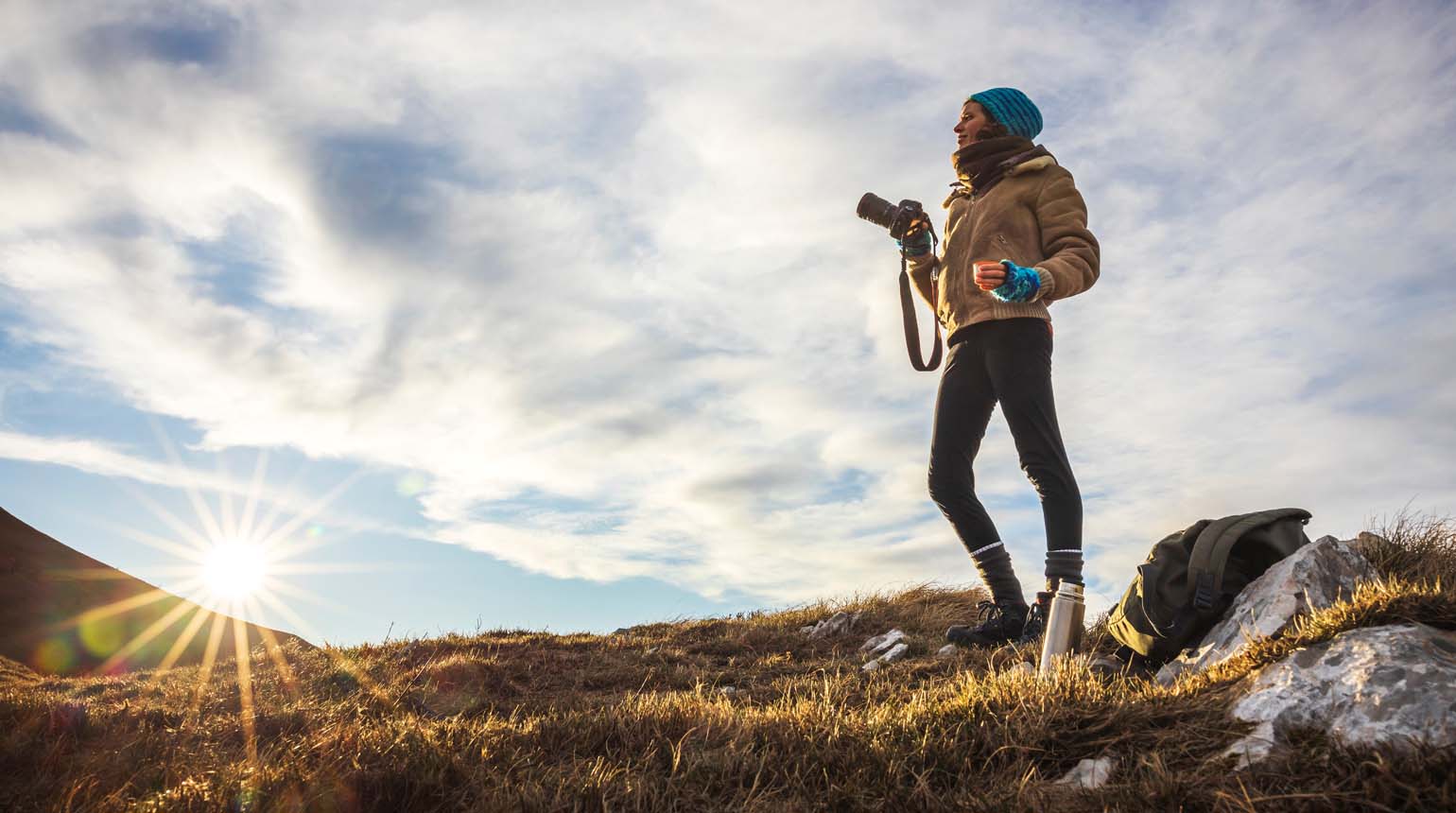
“The journey of a thousand miles begins with a single step.” — Lao Tzu
Ready to take that first step? Discover the best solo travel tips for beginners, from booking your first flight and finding budget-friendly fares to exploring the world confidently, safely, and entirely on your own terms. Your next great adventure starts here!
Solo Travel Tips for Beginners
Solo travel tips for beginners start with one simple idea: the world is waiting, and you don’t need to wait for someone else to explore it. Imagine settling into your aeroplane seat, watching fluffy clouds drift past your window as your next adventure unfolds thousands of feet below. Your favourite destinations are saved on your phone, your bags are safely stowed away, and there’s nobody asking where to go next. Just you, your playlist, and a whole world of possibilities.
Exciting? Absolutely. A little nerve-racking? You bet!
That’s the magic of travelling solo. You get to follow your own plans, take spontaneous detours, linger a little longer in places you love, and discover destinations you never thought you’d visit. Of course, it’s not always picture-perfect. You might second-guess your flight booking, wonder if you’ve packed enough, or question why you chose a hotel that seems miles away from everything. But hey, that’s all part of the adventure! And with the right preparation, your first solo trip could turn out to be one of the most rewarding journeys you’ve ever taken.
Your Solo Travel Story Starts Here
If you’re thinking about taking your first independent trip, you’ve probably got plenty of questions. Where should you go? How do you find affordable flights? Is a long layover worth the savings? And how do you stay safe when there’s nobody travelling alongside you?
Don’t worry. You don’t need to become a seasoned globetrotter overnight.
These solo travel tips for beginners will help you plan your journey from the moment you start searching for flights to the day you finally arrive at your destination. We’ll cover flight booking, airport navigation, budgeting, accommodation, packing, personal safety and plenty more. We’ll also explore practical solo female travel tips for women who want to travel confidently and independently.
Most importantly, this guide is about making solo travel feel achievable. You don’t need an enormous budget, a perfectly organised itinerary or the courage of a Hollywood adventurer. You simply need a destination that excites you, a little preparation and the willingness to take that first step.
Ready to see where your own company can take you?
Why is Solo Travel Worth Trying?
Travelling with friends and family can be wonderful. However, coordinating everyone’s budgets, annual leave, preferred activities and questionable wake-up habits isn’t always easy. Sometimes, the perfect travel companion is simply you.
One of the biggest advantages of solo travel is freedom. Want to spend three hours wandering around a museum? Go for it. Prefer sleeping in instead of catching a sunrise? Nobody’s stopping you. You can build a trip around your interests rather than trying to squeeze everyone’s wishes into one itinerary.
There are practical benefits, too.
You become more independent. Booking flights, navigating airports and finding your way around unfamiliar cities help you develop problem-solving skills.
- You learn to manage money. When you’re responsible for the entire trip, you become more aware of flight prices, baggage fees, transport costs and everyday spending.
- You discover new connections. Travelling alone doesn’t mean spending every minute alone. In fact, you might find yourself chatting with fellow passengers, joining walking tours or meeting people at a local café.
- And then there’s the confidence boost. Successfully navigating a foreign airport or finding your hotel after a long flight can feel like a genuine achievement.
The trick is to start small. A short city break or a direct flight to a relatively easy destination can be an excellent introduction before attempting a complicated, multi-country adventure.
15 Essential Solo Travel Tips for Beginners
Before diving into flight deals and airport strategies, let’s cover the foundations. These practical tips for solo travel can make the difference between a stressful trip and one you’ll happily talk about for years.
1. Choose a destination that suits your experience
Your dream destination doesn’t have to be your first solo destination. If you’ve never travelled alone, consider somewhere with reliable public transport, clear tourist information and accommodation options in convenient locations.
A familiar language can also make your first trip easier. Alternatively, choose a destination where translation apps and visitor services are widely available.
2. Start with a manageable trip
You don’t have to book a three-week adventure across five countries to prove you’re capable of travelling alone.
Instead, try a two- or three-night city break. You’ll learn how to manage flights, check in to accommodation, plan daily activities and handle unexpected situations without overwhelming yourself.
3. Research before you book
A cheap flight is only part of the equation. Check visa requirements, entry rules, seasonal weather, airport locations, local transport and neighbourhood safety before committing to your plans.
Additionally, confirm that your passport meets your destination’s validity requirements. Some countries require several months of validity beyond your intended departure date.
4. Share your itinerary with someone you trust
Give a trusted friend or family member your flight details, accommodation information and approximate itinerary.
You don’t need to report every coffee break. However, sharing your main plans and checking in at agreed times can provide reassurance, especially on your first independent trip.
5. Keep your first day relatively simple
After a flight, you’ll probably be tired, hungry and slightly disoriented. Even experienced travellers have those moments.
Therefore, avoid scheduling five major attractions immediately after landing. Arrange transport, check in, grab a meal and explore somewhere nearby. You can tackle the big adventures the following morning.
6. Keep emergency money separate
Carry a backup payment method and store a small amount of emergency cash separately from your everyday wallet.
If your primary card stops working or your bag goes missing, that backup could save you a considerable headache.
7. Download useful apps before departure
Install your airline’s app, an offline map, a translation app and any relevant local transport apps before leaving home.
Also, download your boarding pass and hotel details where possible. Airport Wi-Fi can be unreliable, and your mobile data plan might not work immediately after arrival.
8. Learn a few local phrases
Even a simple greeting, thank-you or request for directions can make everyday interactions easier. You don’t need to master another language. A little effort often goes a long way.
9. Avoid overplanning every minute
A rough itinerary helps you stay organised, but leave some breathing room. You might discover a wonderful market, meet someone who recommends a hidden café or simply decide that sitting beside the sea is better than rushing to another attraction.
10. Prioritise location over luxury
For a first solo trip, a clean, well-reviewed hotel in a convenient neighbourhood may be more useful than a beautiful property that requires expensive transfers.
Consider your arrival time, public transport connections and how comfortable you’ll feel returning in the evening.
11. Check baggage rules carefully
Airlines don’t all offer the same baggage allowance. Some basic economy fares include only a small personal item, while others offer additional cabin baggage or checked luggage.
Read the fare conditions before paying. An inexpensive ticket can become much less attractive once baggage charges are added.
12. Keep your documents accessible
Save copies of your passport, visa, travel insurance policy, flight confirmation and accommodation booking securely.
Keep digital copies separate from your physical documents. Avoid storing sensitive information somewhere that anyone can access if your phone is unlocked.
13. Buy suitable travel insurance
Look for a policy that covers relevant medical expenses, emergency assistance, trip cancellation and baggage issues. Check exclusions and coverage limits rather than assuming every policy covers everything.
Also, understand the process for contacting your insurer from abroad.
14. Build flexibility into your budget
Unexpected expenses happen. Perhaps a train is cancelled, your flight changes or you need an extra hotel night.
A financial buffer gives you more options when things don’t go according to plan.
15. Trust yourself enough to change your plans
If a hotel feels uncomfortable, a tour seems poorly organised or a situation makes you uneasy, you can leave.
You don’t owe strangers an explanation for prioritising your comfort. Being adaptable is one of the most valuable solo travel tips you’ll learn.
How to Book Flights When Travelling Solo
Flights deserve special attention because they influence your budget, schedule, energy levels and even your safety when arriving somewhere unfamiliar.
The cheapest fare isn’t automatically the best option, especially when you’re travelling alone and responsible for sorting out any problems yourself.
- Decide on your destination and travel dates
Start by choosing a destination that matches your budget, interests and experience level.
Next, compare different travel dates. If your schedule is flexible, travelling midweek or outside major holiday periods may reveal better fares. However, prices vary by route, demand, airline and season, so always compare actual options.
For example, if you’re planning a European city break, compare flights departing on Tuesday or Wednesday with those leaving on Friday evening. Even moving your departure by a day can sometimes make a difference.
- Compare the complete ticket price
When searching for flights, look beyond the headline fare.
Consider the following:
- Cabin baggage and checked baggage charges.
- Seat selection fees, if choosing a particular seat matters to you.
- Airport transfers at both ends.
- Meal costs on longer journeys.
- Change fees and fare restrictions.
- The cost of arriving at an inconvenient hour.
A flight that costs slightly more upfront might offer better value if it includes baggage and lands at a convenient time.
- Understand your fare type
Airlines often sell several fare types on the same flight. The cheapest option may have restrictive change conditions or fewer included services.
Before booking, confirm what your fare allows. If your plans are uncertain, compare the cost of a more flexible ticket with the potential cost of changing a restrictive one later.
Remember, a flexible ticket does not necessarily mean you can change your flight without paying anything. Conditions differ by airline and fare.
- Pay attention to arrival time
This is particularly important for solo travellers.
A flight landing at 1 a.m. might look attractive because of its low price. However, if public transport has stopped running and your hotel is far away, you’ll need a reliable alternative.
Before choosing a late arrival, check whether airport taxis, authorised ride services or hotel transfers are available. Work out the approximate cost in advance.
- Book through reliable channels
Compare fares on reputable flight-search websites, then review the airline’s own website before booking.
Read the booking conditions carefully, especially when an unfamiliar third-party seller offers a fare that seems unusually cheap. If something changes, knowing who handles your booking and where you need to request help can make the process easier.
- Check your booking immediately
Once your ticket is confirmed, verify your name, dates, route, airports and baggage allowance.
If your passport uses a particular spelling of your name, make sure your reservation follows the airline’s requirements. Fixing a mistake early is usually easier than discovering it at the airport.
Direct Flights vs Connecting Flights: Which Is Better?
Here’s a question almost every first-time solo traveller faces: should you pay more for a direct flight or save money with a connection?
There isn’t one answer for every trip. Your budget, route, experience and available time all matter.
| Direct flight | Fewer complications and usually less travel time | May cost more or offer fewer departure times | First-time solo travellers |
|---|---|---|---|
| Direct flight | Fewer complications and usually less travel time | May cost more or offer fewer departure times | First-time solo travellers |
| Connecting flight on one ticket | More route options and potentially lower fares | Longer journey and risk of missed connections | Travellers comfortable with airports |
| Separate-ticket connections | Sometimes cheaper and more flexible | Greater disruption risk; baggage and re-check-in complications | Experienced, well-prepared travellers |
| Overnight flight | Can save daytime hours and sometimes accommodation costs | Sleep disruption and fatigue | Travellers comfortable with overnight journeys |
Why direct flights are often worth considering
For your first solo adventure, a direct flight can remove several moving parts from the journey. You board once, follow one route and arrive without worrying about transferring between planes.
Naturally, direct flights aren’t always available or affordable. Still, if the price difference is manageable, the simpler journey may be worth it.
- When connecting flights make sense
Connecting flights can open up destinations that are difficult or expensive to reach directly.
If you choose one, check the connection time, terminal arrangements and whether your baggage will be transferred automatically. Also, confirm whether you need a transit visa for the connecting country.
For beginners, a single booking covering the entire itinerary is generally easier to manage than separate tickets.
- Be careful with separate tickets
Suppose your first flight arrives late and you miss the second flight booked independently. The second airline may not be responsible for accommodating you.
You could need to purchase another ticket, pay for a hotel or rearrange onward transport.
If you do choose separate tickets, allow a generous buffer, understand the baggage arrangements and check whether you must clear immigration to collect your luggage. In some cases, an overnight stop is safer than a tight connection.
How to Find Cheap Flights for Solo Travellers
Travelling alone has one financial advantage: you’re only coordinating one person’s ticket. You don’t need to find four seats at the same price or convince a group to agree on a particular departure.
Nevertheless, flight prices can be unpredictable. These solo travel tips can help you search more effectively without spending every evening refreshing booking websites.
- Be flexible with dates
If your destination is fixed but your dates aren’t, compare a range of departure and return days. Fare calendars and flexible-date search tools can reveal cheaper combinations. Just remember to include accommodation costs, because saving on a flight isn’t worthwhile if it forces you into several expensive extra nights.
- Compare nearby airports
Some cities have multiple airports, and nearby airports may offer different routes or fares. However, calculate the cost and time of getting to your final destination. A flight that saves £40 but requires a £60 transfer isn’t a bargain.
- Set price alerts
Many flight-search platforms allow you to track routes and receive notifications when fares change. This is useful if you’re planning months ahead. Set alerts for your preferred dates and, if possible, alternative travel days.
- Don’t assume a particular booking day is always cheapest
You’ve probably heard that flights are always cheaper on a Tuesday or that you should book at a specific hour. These rules aren’t reliable for every airline or route. Instead, compare prices regularly, monitor your preferred itinerary and book when the fare and conditions suit your budget.
- Consider the entire journey
Your travel budget should include more than your plane ticket.
| Expense | What to consider |
| Flight ticket | Base fare, taxes and included services |
| Baggage | Cabin bag, checked bag and excess weight |
| Airport transport | Getting to the departure airport and leaving the arrival airport |
| Accommodation | Nightly rate, location and arrival arrangements |
| Meals | Airport food, in-flight meals and daily spending |
| Local transport | Trains, buses, taxis and airport transfers |
| Travel insurance | Medical cover and relevant trip protection |
| Emergency fund | Unexpected changes, delays or extra nights |
Before booking, calculate the estimated total. That way, you can compare different flights fairly rather than choosing the lowest number on the search results page.
Look at alternative routes, but stay realistic
Sometimes flying into a nearby city and continuing by train or bus is cheaper. However, this only works well if the onward journey is practical and reliable.
Check the time between arrival and your onward departure, account for immigration and baggage collection, and consider whether you would need another overnight stay.
For a first solo trip, a slightly more expensive itinerary with fewer complications may be the smarter choice.
Your First Solo Flight: What to Expect at the Airport
Your first airport experience alone can feel like a small adventure in itself. There are departure boards, security queues, announcements, boarding groups and people who somehow appear to know exactly where they’re going.
Here’s the reassuring part: once you understand the sequence, the process becomes much easier.
- Before leaving home
Check your flight status, terminal, baggage allowance and online check-in options. Aim to arrive at the airport within the timeframe recommended by your airline and airport, allowing additional time for busy periods or international departures.
Keep your passport and essential documents somewhere secure but easy to access.
- At the airport
Step 1: Find your airline’s check-in area. If you’ve checked in online and have no luggage to drop off, you may be able to head directly to security, depending on your airport and airline.
Step 2: Drop off checked baggage. Check the baggage tag and keep any required receipts or tracking details.
Step 3: Go through security. Follow the airport’s rules for liquids, electronics and prohibited items. Requirements vary by airport, so check them beforehand.
Step 4: Clear immigration if required. International departures may involve passport control before you reach the departure area.
Step 5: Check your gate. Departure gates can change, so watch the airport screens and your airline’s notifications.
Step 6: Board when instructed. Keep your boarding pass and travel document ready, and listen for announcements.
- During the flight
Once you’re seated, place your belongings securely and pay attention to the cabin crew’s safety instructions.
For a long flight, drink water regularly, move your legs when safe and try to rest. If you’re nervous, download a playlist, bring a book or prepare a few films before departure.
And remember, you don’t have to look like a frequent flyer. Asking airport staff for directions is perfectly normal.
- What if something goes wrong?
Flight delays, cancellations and gate changes happen. If your flight is disrupted, check the airline’s official app or speak to its staff about your options.
Keep receipts for relevant expenses and retain written communications where appropriate. Depending on your route, airline and circumstances, you may have specific passenger rights or compensation entitlements.
If you have a connecting flight, contact the airline promptly rather than waiting until the departure time has passed.
Solo Female Travel Tips for a Safer Journey
Travelling alone as a woman can be empowering, exciting and wonderfully freeing. At the same time, it makes sense to think carefully about personal safety, accommodation, transport and how you’ll handle uncomfortable situations.
These solo female travel tips aren’t about being afraid of the world. They’re about giving yourself the information and options to explore with greater confidence.
- Research the destination beyond its tourist attractions
Look into local customs, neighbourhoods, transport options and any safety advice relevant to your destination.
Read recent accommodation reviews, particularly those from solo travellers. Pay attention to comments about the surrounding area, reception arrangements, lighting and access to public transport.
Official travel advisories can also help you understand local risks and entry requirements.
- Choose flights that support a comfortable arrival
If you’re new to solo travel, consider arriving during daylight hours when practical.
This can make it easier to find transport, understand your surroundings and check in without feeling rushed. If an overnight arrival is unavoidable, arrange a reputable transfer beforehand and confirm the pickup details.
- Plan your airport transfer in advance
Research official taxi ranks, airport trains, licensed transport services or hotel transfers.
Avoid accepting unsolicited offers from strangers who approach you inside or outside the airport. Instead, use designated pickup points and verify your driver’s details when using a ride-booking service.
- Keep personal information private
You don’t need to tell new acquaintances that you’re travelling completely alone or disclose your hotel room number.
If someone asks whether you’re meeting friends, you can keep the answer brief and vague. Share personal details only when you feel comfortable doing so.
- Stay connected
Consider a local SIM or eSIM if your phone supports it, and make sure you understand your roaming charges.
Keep your phone charged, carry a power bank where permitted and share your itinerary with someone you trust. You can also agree on a simple check-in routine without feeling that you need to be constantly available.
- Trust your instincts and leave uncomfortable situations
If a conversation, invitation, taxi or accommodation arrangement feels wrong, you can say no.
Move towards a staffed public place, contact someone you trust or seek help from local authorities if necessary. You don’t need to be polite at the expense of your safety.
- Research local laws and cultural expectations
Clothing norms, photography rules, alcohol regulations and public behaviour expectations differ between destinations.
Understanding these in advance can help you avoid unnecessary difficulties and show respect for the local community.
Ultimately, the best solo female travel tips are practical rather than restrictive. Make informed decisions, stay aware of your surroundings and remember that you can change your plans whenever you need to.
How to Choose the Right Accommodation and Arrival Airport
Your flight booking and accommodation shouldn’t be treated as two completely separate decisions. Together, they shape how smoothly your trip begins.
- Choose accommodation with a convenient location
A centrally located hotel or guesthouse may cost more per night, but it could reduce transport expenses and make sightseeing easier.
Look at the distance to public transport, restaurants and the places you intend to visit. Read recent reviews rather than relying entirely on photographs or promotional descriptions.
For solo travellers, a staffed reception, clear check-in instructions and secure luggage storage can be useful features.
- Compare airports before choosing your flight
If a destination has more than one airport, check where each one is located and how long the transfer takes.
An airport with cheaper flights might be far from the city centre. Another might offer a convenient train connection that gets you to your accommodation quickly.
Before booking, compare the full route from your departure airport to your hotel, not just the flight itself.
- Confirm late check-in arrangements
If your flight arrives late, check whether your accommodation allows late check-in and whether you need to provide an estimated arrival time.
A simple message before departure can prevent the unpleasant surprise of reaching a property that has already closed reception.
Packing Tips for First-Time Solo Travellers
Packing for one person should be straightforward, right? Then suddenly you’re wondering whether you need three pairs of shoes, a second jacket and enough skincare products to open a small shop.
Keep it simple.
- Pack for your actual itinerary
Check the weather forecast, planned activities and local dress expectations. Build your wardrobe around versatile pieces that work together rather than packing a separate outfit for every possible scenario.
If you’re travelling for a week, you may be able to manage with a compact suitcase and a few interchangeable outfits.
- Keep essentials in your cabin bag
Whenever possible, keep important items with you rather than placing everything in checked luggage.
These include:
- Passport and required travel documents.
- Essential medication in its original packaging, where practical.
- Phone, charger and a suitable power bank.
- Wallet and backup payment card.
- A change of clothes for longer journeys.
- Important booking details and emergency contacts.
Check the airline’s rules for batteries, liquids and other restricted items before packing.
- Weigh your luggage before departure
Airlines have different cabin baggage dimensions and weight limits. A bag that fits one carrier’s rules might exceed another’s.
Weigh your luggage at home, check the precise allowance for your fare and leave a little space for souvenirs.
- Keep your bag manageable
Remember that you’ll be lifting, carrying and moving your luggage yourself.
If your itinerary involves trains, stairs, cobbled streets or multiple accommodation changes, a lighter bag can make the entire trip more enjoyable.
How to Stay Safe While Exploring Alone
Once you arrive, the goal is to enjoy yourself without spending the entire holiday worrying about what might happen.
A few simple habits can help you feel more comfortable.
- Stay aware of your surroundings. You can use maps and your phone while exploring, but avoid becoming so distracted that you lose track of nearby traffic, people or your belongings.
- Keep valuables secure. Carry only what you need for the day, and avoid displaying large amounts of cash or expensive items unnecessarily.
- Be cautious with public Wi-Fi. Use trusted networks where possible, keep your devices updated and avoid entering sensitive information on suspicious websites.
- Be sensible about alcohol. If you drink, know your limits, keep your drink in sight and arrange a reliable way to return to your accommodation.
- Check local emergency numbers. Save the relevant contact details before you need them. Depending on the destination, your embassy or consulate may also provide useful assistance for certain emergencies.
- Keep your return journey in mind. When visiting a restaurant, attraction or nightlife district, consider how you’ll get back before heading out.
Most importantly, don’t let safety planning become the whole holiday. Prepare thoughtfully, then give yourself permission to enjoy the experience.
Making Friends Without Losing Your Independence
One of the biggest myths about solo travel is that you’ll be lonely every second of the day.
In reality, travelling alone can make it easier to connect with people. You might strike up a conversation with someone on a walking tour, meet other travellers at a hostel or discover a local food tour that brings strangers together.
The key is to find social opportunities that suit your personality.
- Join a group activity
Walking tours, cooking classes, guided hikes and food experiences can be excellent ways to meet people without committing to an entire day with strangers.
Choose reputable providers, read reviews and understand what the activity involves before booking.
- Stay somewhere with social spaces
If meeting people is important to you, consider a well-reviewed hostel, guesthouse or hotel with communal areas and organised activities.
You don’t need to share a dormitory to be sociable. Many properties offer private rooms alongside shared lounges or group experiences.
- Enjoy your own company, too
There’s no requirement to make friends every day.
Eat at the restaurant you’ve been eyeing, explore a museum alone or spend an afternoon reading in a café. Sometimes the most memorable moments happen when you’re not trying to make anything happen at all.
Common Solo Travel Mistakes and How to Avoid Them
Even well-prepared travellers make mistakes. Fortunately, most first-trip problems can be reduced with a little advance planning.
| Common mistake | Why it causes problems | A smarter approach |
| Booking a flight based only on price | Hidden costs can make it more expensive overall | Compare baggage, transfers and fare conditions |
| Choosing a very short connection | Delays can leave you struggling to reach the next flight | Allow adequate time and understand your ticket protection |
| Arriving without transport plans | Late arrivals can become stressful and expensive | Research reliable airport transfers before departure |
| Overpacking | Heavy luggage is tiring and may incur extra fees | Pack versatile items and check baggage limits |
| Planning too many activities | You may feel rushed and exhausted | Leave space for rest and spontaneous discoveries |
| Ignoring visa requirements | You could be denied boarding or entry | Check official requirements before booking |
| Keeping all documents in one place | Losing a bag or phone may cause major disruption | Keep secure digital and physical backups |
| Skipping travel insurance | Unexpected incidents may create substantial costs | Compare coverage, exclusions and limits |
| Ignoring your instincts | You may remain in an uncomfortable situation | Leave, seek help or change arrangements when needed |
Another common mistake is assuming everything will work exactly as planned. Flights get delayed, weather changes and restaurants close unexpectedly.
Build flexibility into your schedule. A backup plan isn’t pessimistic; it’s simply good travel planning.
A Simple Solo Travel Planning Timeline
Not sure when to organise everything? Use this timeline as a starting point, adjusting it to suit your destination, airline and travel dates.
| When | What to do |
| 2–6 months before | Research destinations, check passport validity and visa rules, compare flight options and establish a budget |
| 1–3 months before | Book suitable flights and accommodation, arrange insurance and check airport transfers |
| 2–4 weeks before | Confirm baggage allowances, research local transport and save important documents |
| 1 week before | Complete online check-in when available, review flight status and prepare your packing list |
| 24–48 hours before | Recheck departure times, terminal information, weather and transfer arrangements |
| On departure day | Arrive within the recommended airport timeframe, keep documents accessible and monitor flight updates |
| After landing | Follow your transfer plan, check in to accommodation and take time to settle in |
For destinations requiring advance visas or additional documentation, start earlier. Some applications take longer than expected, and processing times can vary.
FAQs About Solo Travel
- Is solo travel good for beginners?
Yes. Solo travel can be an excellent way to develop independence, confidence and practical travel skills. Start with a manageable destination, research the basics and choose flights that suit your experience and budget. You don’t have to feel completely confident before going. Often, confidence grows as you learn to handle each step.
- What are the most important solo travel tips for beginners?
The most useful solo travel tips for beginners include researching your destination, choosing convenient flights, understanding baggage rules, arranging airport transfers, keeping emergency funds and sharing your itinerary with someone you trust. Additionally, avoid overloading your first trip with activities. Give yourself time to adjust and enjoy the experience.
- Is it cheaper to travel alone?
It depends. You only need to purchase one flight ticket, and you can often find accommodation that suits a single traveller. However, you won’t be splitting hotel rooms, taxis or other shared expenses with a companion. To keep costs down, compare flight dates, consider public transport and calculate the complete trip budget before booking.
- What is the best destination for a first solo trip?
The best destination depends on your interests, budget, passport, visa eligibility and comfort level. Look for places with reliable transport, convenient accommodation, visitor information and activities that interest you. A short city break with a straightforward flight can be a good starting point.
- Should I choose a direct flight for my first solo trip?
A direct flight can make your first journey simpler because you don’t have to navigate a connection. However, it may cost more or be unavailable for your route. Compare the total price, travel time, arrival arrangements and convenience before deciding.
- How can I avoid loneliness when travelling alone?
Try joining walking tours, food experiences, classes or small-group excursions. Staying somewhere with communal areas can also create opportunities to meet people. At the same time, remember that solitude isn’t automatically loneliness. Enjoying a meal, exploring a museum or watching a sunset alone can be part of the experience.
- What should I do if my flight is cancelled while I’m travelling alone?
Check your airline’s official updates and contact the airline or booking provider responsible for your ticket. Ask about rebooking, accommodation or other assistance that may apply to your situation. Keep relevant receipts and booking documents, and check the passenger rights that apply to your route. If you booked separate tickets, contact the airline operating the affected flight as well as any provider responsible for your onward journey.
- How much money should I save for a solo trip?
There’s no universal amount. Your budget depends on the destination, season, flights, accommodation, food, transport, activities and travel insurance. Calculate the expected cost of the complete journey, then add a reasonable emergency buffer. If you cannot comfortably afford the trip, consider shortening it or choosing a more affordable destination.
Your First Solo Adventure Awaits
Your first solo trip probably won’t be perfect. You might walk in the wrong direction, miss a bus, order something unexpected at dinner or spend ten minutes staring at an airport departure board before realising your gate has changed.
And that’s completely fine.
Travel isn’t about getting every detail right. It’s about discovering what you’re capable of, experiencing unfamiliar places and learning to trust yourself a little more each time you step outside your comfort zone.
With the right flight, a realistic budget and a sensible plan, travelling alone becomes much less intimidating. Start by comparing routes, checking entry requirements and choosing a destination that genuinely excites you. Then work through the practical details one at a time.
Keep these solo travel tips for beginners handy, especially when booking your flights and planning your arrival. If you’re travelling as a woman, use the solo female travel tips to prepare thoughtfully while still leaving plenty of room for spontaneity.
And remember, you don’t need to wait until someone else is available, your schedule is perfect or you feel completely fearless.
Sometimes, the best adventures begin with one booking confirmation, one packed bag and a little courage.
Your seat is waiting. Where will you fly first?
Ready to plan your first solo adventure? Start comparing flight options, explore destinations that match your budget and find a journey that gives you the freedom to discover the world on your own terms.